
Elevating Local SEO Through Advanced Geogrid Tracking Techniques
In the rapidly evolving landscape of local search optimization, leveraging cutting-edge geogrid tracking strategies has become paramount. As digital marketers and SEO experts strive to dominate Google Maps rankings, understanding the intricate relationship between geogrid technology and GMB (Google My Business) software unlocks new levels of visibility and authority. This comprehensive analysis delves into the nuanced mechanisms that underpin effective maps rank enhancement in 2024, emphasizing the importance of data-driven approaches and innovative tools.
The Synergy Between GMB Software Innovations and Geogrid Analytics
Recent advancements in GMB software have transformed traditional local SEO tactics, integrating sophisticated analytics and tracking features. When combined with geo-spatial data from geogrid technology, these tools enable precise monitoring of rank fluctuations, competitor analysis, and targeted optimization efforts. The fusion of these technologies facilitates a granular understanding of local search dynamics, allowing for strategic adjustments that drive consistent ranking improvements.
Why Precision in Geogrid Mapping Translates to Real-World Dominance
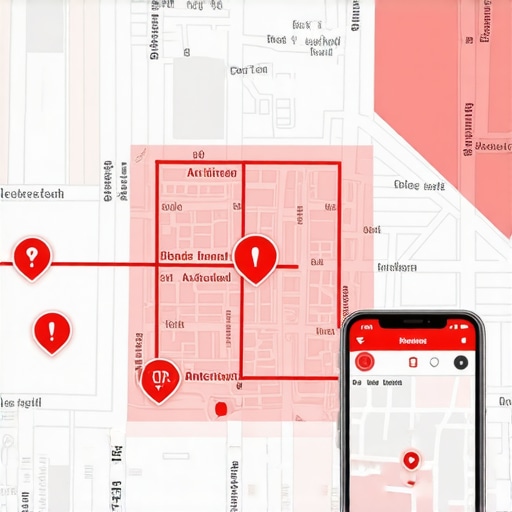
At the core of successful maps rank strategies lies the concept of spatial precision. Geogrid tracking allows marketers to define micro-areas within a location, ensuring that optimization efforts are not diluted across an overly broad region. This micro-targeting enhances local relevance, boosts engagement metrics, and signals authoritative presence to Google’s algorithmic systems. For instance, deploying optimized geogrids based on real-time data promotes consistency and resilience against algorithm updates.
How Can Geogrid Tracking Surpass Conventional Local SEO Practices?
Traditional SEO approaches often rely on broad keyword targeting and generic citation building, which, while still relevant, do not offer the spatial granularity necessary for high-stakes local rankings. Geogrid tracking interrupts this limitation by providing continuous, location-specific performance insights, fostering tactical agility. Coupled with advanced GMB software, this approach enables marketers to prioritize high-impact areas, optimize user engagement locally, and adapt swiftly to ranking fluctuations—ultimately creating a resilient local SEO ecosystem.
What Are the Key Metrics to Focus on When Using Geogrid for Maps Rank Improvement?
Important metrics encompass local impression shares, click-through rates (CTR), proximity disparity, and competitor movement within defined geogrid cells. By systematically analyzing these parameters through integrated tracking dashboards, professionals can make data-backed decisions that fine-tune their local SEO campaigns, aligning efforts with what truly influences rankings today.
To explore this in greater depth, visit our comprehensive guide on mastering geogrid tracking.
For those seeking to cement their authority in local search, investing in sophisticated geogrid tracking and GMB software is no longer optional but essential. These tools harness spatial analytics to reveal hidden opportunities, outperform competitors, and sustain high rankings even amidst frequent algorithm updates.
As the landscape advances, staying informed with the latest insights is critical—consider subscribing to authoritative sources such as Search Engine Journal or Moz for ongoing updates and expert commentary.
Want to contribute your own advanced strategies? Join our community of local SEO specialists and share insights on effective geogrid utilization.
Mastering Spatial Granularity for Unmatched Local Dominance
Achieving top rankings on Google Maps demands more than broad location targeting; it requires the mastery of micro-geographic data through advanced geogrid methodologies. By dissecting a target area into meticulously defined cells, SEO specialists can identify subtle ranking variations and deploy hyper-local strategies that resonate with Google’s intent for relevance. This approach supports the deployment of localized content, reviews, and citations precisely where they matter most, elevating the perceived authority of your local listings seamlessly. Incorporating real-time geogrid tracking techniques amplifies this effect, allowing continuous adaptation amidst shifting competition and algorithm updates.
Integrating AI-Driven Insights with Geospatial Data
Emerging AI capabilities are revolutionizing the way we interpret geospatial performance metrics, revealing patterns and opportunities previously obscured. By leveraging machine learning algorithms embedded within next-generation GMB software, marketers can predict ranking fluctuations, assess competitive moves, and proactively optimize within specific geogrid cells. This integration empowers data-driven decision-making, fosters tactical agility, and ensures that localized efforts directly translate into sustained visibility. Furthermore, deploying AI to analyze user behavior within each geogrid segment can uncover niche engagement opportunities, creating personalized experiences that drive higher conversions.
Why Are Traditional Tactics Falling Short in 2024? An Expert Perspective
The SEO landscape is shifting rapidly, rendering conventional practices inadequate for top-tier local rankings. As industry leaders emphasize, reliance on broad keywords and generic citations cannot match the efficacy of spatially precise, data-backed strategies. Instead, the focus must shift to integrating comprehensive geogrid analytics with innovative software tools that facilitate continuous optimization. Experts warn that neglecting this granular approach risks obsolescence, especially with Google’s increasing emphasis on relevance and proximity signals. To stay ahead, marketers must embrace this paradigm shift and adopt a multi-layered approach combining spatial analytics, AI insights, and real-time tracking.
What Future Technologies Will Further Transform Geospatial Local SEO Strategies?
Looking ahead, advancements such as augmented reality (AR) overlays, hyper-local social listening, and IoT-connected devices are poised to redefine geospatial marketing. These technologies could enable real-world interactions that reinforce local authority and relevance, blending physical presence with digital visibility dynamically. As these innovations mature, successful local SEO campaigns will likely hinge on the seamless integration of spatial data with immersive technologies, demanding an expert understanding of emerging tools and frameworks. Staying informed through authoritative sources like Moz’s SEO blog can provide early insights into these revolutionary shifts.
Ready to explore how cutting-edge geogrid tracking can position your business at the forefront? Consider diving into comprehensive resources such as mastering geogrid tracking techniques for actionable strategies tailored to 2024’s landscape.
Embracing AI to Refine Geospatial Targeting Strategies
Integrating artificial intelligence into local SEO campaigns has transitioned from a futuristic concept to an essential practice. Advanced AI algorithms analyze vast quantities of geospatial data, detecting intricate patterns that human oversight might overlook. These insights enable marketers to identify emerging micro-trends within specific geogrid segments, allowing for hyper-targeted optimization that adapts in real-time. For example, predictive models can forecast neighborhood-level search behavior shifts, informing proactive content and citation adjustments that reinforce local relevance.
What Are the Ethical Considerations When Leveraging AI in Local SEO?
While AI-driven strategies unlock unprecedented levels of personalization and targeting precision, they also introduce significant ethical considerations. Privacy concerns are paramount; ensuring compliance with data protection regulations such as GDPR and CCPA is non-negotiable. Moreover, marketers must avoid manipulative practices that could erode user trust or misrepresent local authority. Responsible AI use entails transparency about data collection, respecting user consent, and aiming for genuinely helpful local experiences rather than exploitative tactics. Consulting with legal and ethical experts is advisable to maintain compliance and uphold brand integrity in AI-driven campaigns.
Enhancing Geogrid Analytics with External Data Streams
To augment the depth of geospatial insights, integrating external data streams—such as real-time traffic patterns, social media activity, and economic indicators—can provide a more holistic view of local dynamics. These multifaceted data sources inform more nuanced geogrid segmentation, revealing opportunities to tailor content, promotions, and outreach efforts effectively. For instance, tracking social sentiment within a defined geogrid web can pinpoint particular community concerns or interests, enabling brands to craft resonant messaging that substantially improves engagement and ranking signals.
Sophisticated Question: How Can Multi-Source Data Integration Overcome Local Search Competition Hurdles?
Combining diverse data streams creates a richer, multidimensional understanding of the local landscape, which is crucial when facing stiff competition. By correlating geospatial performance metrics with external inputs, SEO professionals can recognize subtle ranking factors, identify underserviced niches, and deploy targeted interventions with surgical precision. For example, aligning social engagement volumes with geogrid hotspots can reveal local community hubs ripe for influence, giving you an edge over competitors relying solely on traditional keyword tactics. Integrating these complex datasets through machine learning models ensures adjustments are evidence-based and responsive to evolving local dynamics.
If you’re eager to master these multidimensional approaches, exploring specialized tools such as Tableau for data visualization and TensorFlow for AI modeling can be invaluable. Deepening your understanding of how external data sources interplay within geospatial frameworks amplifies your strategic capacity and positions you as a local search innovator.
Preparing for Next-Generation Geospatial Technologies in Local SEO
The future landscape of local SEO is set to be reshaped by innovations like augmented reality (AR), virtual presence, and IoT sensors. These technologies will supplement traditional geogrid methods by enabling real-world engagement that blurs the line between digital and physical touchpoints. For example, AR overlays can allow potential customers to see local offerings virtually within their environment, directly influencing search intent and decision-making. As these augmented experiences become ubiquitous, marketers must anticipate new metrics of success and develop skills to implement these tools effectively, ensuring their local presence remains future-proof.
Unlocking the Power of Hyper-Localized Data Segmentation in Maps Optimization
In the competitive realm of local SEO, granular geospatial segmentation surpasses traditional broad-target tactics, enabling marketers to hone in on micro-areas with unmatched precision. By dissecting a service zone into meticulously defined geogrid cells, practitioners can identify subtle ranking shifts and tailor content, reviews, and citations to resonate with hyper-local communities. This approach not only elevates relevance but also signals to Google’s algorithm a well-defined authority within targeted pockets, fostering higher visibility and sustained engagement.
Integrating Advanced Machine Learning for Predictive Local Search Performance
Emerging machine learning models, trained on vast datasets of geospatial and behavioral signals, have begun to revolutionize local optimization efforts. These algorithms can forecast ranking fluctuations by analyzing real-time patterns in competitor movements, user behaviors, and external stimuli like traffic flows. Leveraging platforms that embed AI—such as next-generation GMB management tools—allows for proactive adjustments, ensuring your local listings adapt seamlessly to dynamic market conditions. Staying ahead requires not just data collection, but intelligent insights that anticipate changes before they materialize.

Why Ethical Boundaries Matter in AI-Driven Localization Tactics
The infusion of artificial intelligence into local SEO strategies introduces profound ethical considerations, particularly concerning data privacy and user trust. While AI can dissect nuanced geospatial behaviors to optimize visibility, compliance with regulations like GDPR and CCPA remains paramount. Responsible deployment involves transparent data practices, avoiding manipulative tactics, and focusing on delivering genuine value to local audiences. Upholding ethical standards ensures that your mastery of advanced tools enhances reputation rather than risking sanctions or reputational damage.
Harnessing External Data Sources to Overcome Local Competition
Beyond core geospatial metrics, integrating auxiliary data streams—such as real-time demographic shifts, socio-economic trends, and environmental factors—can unveil untapped local market opportunities. For instance, monitoring social sentiment within specific neighborhoods can guide targeted messaging or promotional efforts, amplifying relevance. Combining these insights with sophisticated data visualization tools like Tableau or Power BI enables strategic decision-making rooted in multidimensional analysis, giving your campaigns a decisive edge over competitors relying on siloed data.
How Can Multi-Source Data Fusion Elevate Your Mapping Strategy?
Blending diverse datasets creates a comprehensive view of the local landscape, uncovering hidden patterns that influence search behaviors. By correlating geospatial ranking data with external indicators—such as foot traffic analytics, community event calendars, or even weather patterns—marketers can craft hyper-targeted campaigns that align with current local realities. This integrated approach not only enhances relevance but also boosts resilience against algorithmic shifts, positioning your brand as the definitive local authority. Mastering such multi-source fusion demands sophisticated analytical capabilities and strategic foresight—investment that can yield exponential returns in visibility and customer engagement.
Gazing into the Future with Augmented Reality and Internet of Things
The upcoming evolution in local SEO hinges on immersive augmented reality experiences and prolific IoT sensor deployment. These technologies will facilitate real-world interactions that seamlessly blend digital insights with physical environments, offering consumers immersive, location-aware brand engagements. Imagine adding AR overlays that guide users to your storefront or leveraging IoT data to tailor offers based on real-time environmental conditions. Embracing these innovations requires a strategic mindset attuned to technological convergence, with an emphasis on mastering new metrics and tools that will redefine relevance in local search landscapes.
Expert Perspectives for Advanced Local SEO Success
Harness micro-geographic insights to outsmart competitors
Leveraging granular geogrid data empowers digital marketers to identify subtle shifts in local rankings and adapt strategies proactively, ensuring sustained visibility amidst evolving algorithms.
Integrate AI to forecast ranking dynamics accurately
Utilizing machine learning models embedded within next-generation GMB software enables precise predictions of local ranking movements and opportunities, facilitating timely and impactful optimizations.
Prioritize ethical data practices to build trust
Implementing transparent data collection and privacy-compliant techniques ensures that localized optimization efforts enhance reputation without risking legal or ethical repercussions.
Combine external signals to refine local targeting
Incorporating data streams such as foot traffic, social media sentiment, and economic activity can reveal new hotspots, maximizing relevance and engagement in competitive spaces.
Explore emerging immersive technologies for immersive local presence
Augmented reality overlays and IoT integrations will redefine how businesses connect with local audiences, adding new layers of interaction that influence search behaviors and brand perception.
Curated Resources to Deepen Your Expertise
- GeoGrid Ranker Blog: Offers cutting-edge insights and case studies on geospatial tracking strategies for local SEO mastery.
- Moz Local Search Resources: Provides expert guidance on incorporating innovative tools into comprehensive local optimization campaigns.
- Search Engine Journal Articles: Features the latest industry trends, including AI integrations and emerging geospatial technologies.
- Google My Business Optimization Guides: Essential for understanding platform-specific updates and best practices.
- Tableau and Data Visualization Tutorials: Helps translate complex external data streams into actionable local SEO tactics.
The Path Forward Encouraged by Experts
In the complex landscape of local search, mastery of geogrid analytics and GMB software represents a transformative shift. Embracing multidimensional insights, ethical considerations, and immersive technologies positions forward-thinking practitioners at the forefront of the field. To stay ahead, engage with authoritative sources, experiment with innovative tools, and contribute your strategic perspectives to the community. The future of local SEO hinges on those willing to adapt, refine, and lead in integrating spatial intelligence with human-centric relevance—are you ready to take that step?
![Stop Map Blind Spots with 4 Geogrid Tracking Accuracy Checks [2026]](https://geogridranker.com/wp-content/uploads/2026/04/Stop-Map-Blind-Spots-with-4-Geogrid-Tracking-Accuracy-Checks-2026.jpeg)