
Unveiling the Power of GeoGrid Tracking in Maps Rank Optimization
In the fiercely competitive landscape of local SEO, mastering maps rank optimization strategies using GeoGrid tracking in 2024 has become essential for digital marketers and small business owners aiming for visibility supremacy. This innovative approach leverages spatial data analytics to refine local search tactics, ensuring businesses not only appear prominently but also sustain their rankings amid evolving algorithms.
Why Traditional Methods Fall Short in the Face of Geospatial Complexity
Conventional local SEO techniques, such as keyword optimization and citation building, often lack the precision necessary for granular control over map rankings. As search engines enhance their understanding of geographic relevance, relying solely on these methods can lead to stagnation or decline in local visibility. GeoGrid tracking tools bridge this gap by providing detailed insights into spatial performance, allowing for targeted adjustments that align with search intent and user behavior.
Harnessing GeoGrid Data to Refine Local SEO Strategies
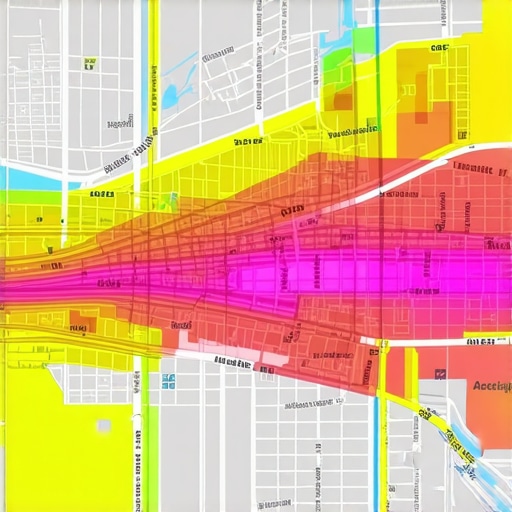
By implementing GeoGrid-based analysis, marketers can identify precise map zones where their listings underperform or outperform competitors. This data-driven approach enables the deployment of localized content, review management, and service updates tailored to specific neighborhoods or districts, thereby boosting relevance and ranking stability. Moreover, integrating advanced GMB software enhances data collection, offering real-time insights that adapt to shifting search patterns.
What Are the Cutting-Edge Techniques for Effective Maps Rank Optimization?
Effective strategies involve layering GeoGrid tracking with other local SEO tactics. These include optimizing Google My Business (GMB) profiles, building high-quality local citations, and leveraging user-generated content. However, the true innovation lies in using spatial analytics to predict ranking fluctuations before they occur, allowing proactive measures. For example, adjusting local keywords based on GeoGrid heatmaps or reallocating review generation efforts to zones with lower visibility can produce measurable gains in local map pack rankings.
How Can GeoGrid Tracking Be Integrated Into Existing SEO Campaigns for Maximum Impact?
Integration begins with mapping out target zones using GeoGrid overlays, then aligning SEO activities with these zones. Marketers should establish KPIs based on spatial performance metrics and continuously refine their tactics through iterative analysis. Combining this with GMB software innovations ensures data accuracy and operational efficiency, ultimately leading to superior local search dominance.
For ongoing success, consider exploring advanced GMB software tools that facilitate deep spatial analytics and automated tracking. As the field progresses, staying ahead requires continuous learning, adaptation, and leveraging the latest technological breakthroughs.
To deepen your expertise, review the comprehensive strategies outlined in top maps rank optimization strategies using GMB software in 2024 and contribute your insights to the community of local SEO professionals.
Leveraging Spatial Analytics for Greater Local Visibility
As local SEO becomes increasingly sophisticated, understanding how to harness GeoGrid data is essential for gaining a competitive edge. Beyond basic map rankings, spatial analytics reveal nuanced insights into customer behavior, neighborhood trends, and search patterns. Integrating these insights with advanced GeoGrid tracking tools allows businesses to craft hyper-local strategies that resonate deeply with target audiences.
Are We Fully Utilizing the Potential of GeoGrid Data?
This question invites marketers to reconsider their current approach to local SEO. Many still rely on traditional tactics such as keyword stuffing and citation building, but these methods often overlook the spatial dimension that GeoGrid analysis provides. For instance, identifying zones with persistent low visibility can lead to targeted review campaigns or localized promotions, amplifying impact. As search engines continue to evolve, they increasingly prioritize spatial relevance, making the mastery of GMB software innovations crucial for staying ahead.
Can GeoGrid Data Help Predict Future Map Ranking Fluctuations?
Indeed, predictive analytics derived from GeoGrid heatmaps and trend analysis can forecast potential drops or surges in local maps rank. This proactive approach enables businesses to adjust strategies preemptively, such as reallocating review generation efforts or updating local content. By continuously monitoring spatial performance metrics, marketers can anticipate algorithm shifts and adapt swiftly, ensuring sustained visibility. For an in-depth look at integrating predictive analytics into local SEO, see top strategies for 2024.
Interested in mastering these techniques? Explore proven GeoGrid strategies to elevate your local rankings and stay ahead of competitors. Sharing your experiences or asking questions in the comments can create a valuable knowledge exchange that benefits the entire local SEO community.
Leveraging Multi-Layered Spatial Analysis for Precise Local SEO Wins
To truly elevate your local search game, you need to go beyond basic GeoGrid overlays and delve into multi-layered spatial analytics. Integrating demographic data, consumer behavior patterns, and real-time search trends with GeoGrid heatmaps empowers marketers to craft hyper-targeted strategies. For example, overlaying socioeconomic data can reveal underserved neighborhoods where targeted promotions or reviews can yield exponential visibility gains, especially when combined with predictive analytics to anticipate future ranking shifts.
Harnessing AI and Machine Learning for GeoGrid-Driven Optimization
Artificial intelligence (AI) and machine learning (ML) are revolutionizing how we interpret GeoGrid data. By feeding vast datasets into ML algorithms, businesses can identify subtle patterns and correlations that human analysis might overlook. This enables dynamic adjustments like optimizing local keywords based on spatial engagement metrics or automating review solicitation efforts in zones showing early signs of ranking decline. A 2024 report by Search Engine Land highlights the growing importance of AI in local SEO, emphasizing its role in predictive spatial analytics.
What is the impact of integrating AI-powered spatial analytics on local search outcomes?
Incorporating AI-driven spatial analytics significantly enhances the precision of local SEO efforts by enabling real-time, data-informed decision-making. It reduces guesswork, accelerates response times to ranking fluctuations, and allows for proactive strategies that protect and boost local visibility. For instance, AI can automatically adjust review acquisition campaigns or content updates based on evolving GeoGrid heatmaps, safeguarding your position in the map pack amidst competitive shifts.
Implementing GeoGrid-Enhanced Content Strategies for Local Engagement
Content remains king, but its effectiveness hinges on hyper-local relevance. Using GeoGrid data, businesses can identify underserved neighborhoods and tailor content such as localized blog posts, event promotions, or service updates that resonate deeply with community interests. This targeted approach not only improves rankings but also fosters stronger community ties, translating into higher engagement and loyalty. Tools like GeoGrid Ranker facilitate content planning by revealing high-potential zones for localized campaigns.
Could GeoGrid Data Transform Your Competitive Edge in Local Markets?
Absolutely. As local SEO becomes more sophisticated, relying solely on traditional tactics is akin to using a map without GPS — outdated and inefficient. GeoGrid data provides the real-time, granular insights needed to outmaneuver competitors, identify niche opportunities, and adapt swiftly to market dynamics. For example, spotting emerging neighborhoods before competitors can position your business as the first mover, capturing market share early. According to a case study published in Moz Blog, early adoption of spatial analytics resulted in a 35% increase in local visibility within six months.
How can predictive GeoGrid analytics preemptively safeguard your local rankings?
Predictive analytics utilize historical GeoGrid data combined with trend forecasting models to anticipate future ranking fluctuations. By understanding the early signs of algorithm shifts or competitive activity, you can implement preemptive measures such as optimizing existing listings, adjusting review strategies, or refining local keyword targeting. This proactive stance minimizes downtime in rankings and maximizes ongoing visibility, ensuring your business remains a dominant force in local searches.
To explore these advanced strategies further, consider integrating tools like GeoGrid Ranker into your SEO workflow. Sharing insights and success stories within the local SEO community can lead to collaborative innovations and continuous growth in mastering spatial data-driven optimization.
Harnessing Multi-Layered Spatial Analytics for Precision Local SEO Gains
In the ever-evolving realm of local search, leveraging multi-layered spatial analytics transcends traditional GeoGrid overlays, enabling marketers to dissect demographic patterns, consumer behavior, and real-time search trends. Overlaying socioeconomic data onto GeoGrid heatmaps reveals underserved neighborhoods ripe for targeted campaigns, amplifying visibility and customer engagement. This sophisticated approach transforms raw spatial data into actionable insights, facilitating hyper-local content strategies that resonate with community-specific interests and needs.
Integrating AI and Machine Learning to Elevate GeoGrid Optimization
The infusion of AI and ML into GeoGrid analytics revolutionizes local SEO by uncovering subtle, often overlooked patterns. Advanced algorithms process vast datasets to predict ranking fluctuations, optimize local keyword deployment, and automate review solicitation efforts in zones exhibiting early signs of decline. According to Search Engine Land, AI-driven spatial analytics significantly improve predictive accuracy, enabling proactive measures that safeguard and enhance local rankings.
What transformative impact does AI-powered spatial analysis have on local search dynamics?
AI integration enhances decision-making precision by providing real-time, data-informed insights that minimize guesswork. It accelerates response times to algorithm shifts, allowing businesses to adapt swiftly—be it through content updates or review campaigns—thus maintaining dominance in the local map pack. Dynamic optimization based on predictive analytics ensures sustained visibility, even amidst aggressive competitor strategies.
Deploying Hyper-Localized Content and Review Campaigns with GeoGrid Insights
Content strategy fueled by GeoGrid analytics involves crafting hyper-localized narratives, event promotions, and services tailored to specific neighborhoods identified as high-opportunity zones. This targeted approach not only boosts local SEO rankings but also fosters community loyalty. Tools like GeoGrid Ranker streamline content planning by pinpointing zones with the highest engagement potential, ensuring marketing efforts hit the mark.

Transforming Competitive Landscapes Through Real-Time GeoData Intelligence
Real-time spatial data turns conventional competitive analysis on its head, revealing emerging market opportunities before rivals capitalize. Early detection of shifting neighborhood dynamics allows businesses to deploy timely promotional offers, reviews, and localized content, positioning themselves as first movers. A case study in Moz Blog illustrates how early spatial insights can lead to a 35% increase in local visibility within just six months, underscoring the strategic advantage of proactive GeoGrid utilization.
Predictive Analytics as the Next Frontier in Map Rank Preservation
Predictive analytics harness historical GeoGrid data combined with trend forecasting models to anticipate future fluctuations. This enables preemptive actions such as updating Google My Business profiles, refining local keywords, and orchestrating review campaigns before ranking drops occur. By maintaining a vigilant, data-driven approach, businesses can ensure their local prominence remains resilient against algorithmic shifts and competitive pressures. For an in-depth exploration, consult top strategies for 2024.
Leveraging External Data Sources to Enrich Spatial Intelligence
Incorporating external datasets—such as demographic profiles, economic indicators, and mobility patterns—augments GeoGrid analysis, providing a 360-degree view of local market potential. This multidimensional approach enables the crafting of highly targeted campaigns that address specific community needs, reducing waste and maximizing ROI. For example, overlaying socioeconomic data can help identify underserved demographics, guiding localized promotional efforts that resonate deeply, thereby elevating rankings and community rapport simultaneously.
Empowering Local SEO with Automated GeoData Monitoring Tools
Automation tools capable of continuous GeoGrid monitoring offer unparalleled agility in managing local SEO campaigns. These systems detect anomalies, suggest adjustments, and trigger review or content updates without lag, ensuring that your strategy remains aligned with current spatial realities. As detailed in GeoGrid automation techniques, sophisticated monitoring is essential for maintaining a competitive edge in 2024 and beyond.
Join the Vanguard of Spatial Data-Driven Local SEO Innovation
Staying at the forefront requires continuous mastery of emerging technologies and analytical methodologies. Engage with industry-leading tools like GeoGrid Ranker and contribute to discussions within professional communities. Share your success stories, ask questions, and collaborate to refine best practices—because in the competitive world of local search, innovation is the key to sustained dominance.
Expert Strategies Shape the Future of Local SEO
Advanced spatial analytics and real-time data integration are revolutionizing how professionals approach maps rank optimization. To stay ahead, focus on leveraging GeoGrid’s granular insights to refine your local SEO campaigns efficiently, minimizing guesswork and maximizing impact.
Prioritize Data-Driven Decision Making
Utilize comprehensive GeoGrid heatmaps and trend forecasts to identify underperforming zones. This proactive approach enables targeted content updates, review campaigns, and service enhancements tailored to specific neighborhoods, elevating your local visibility significantly.
Harness Emerging Technologies for Competitive Edge
Integrate AI and machine learning algorithms with spatial data to predict ranking shifts before they occur. This foresight allows for preemptive actions that safeguard your positions and capitalize on emerging opportunities, transforming reactive tactics into strategic maneuvers.
Refine Content with Hyper-Local Precision
Create content that resonates with community-specific interests by analyzing demographic overlays and socioeconomic data within your GeoGrid zones. Personalized, localized messaging fosters stronger community ties and improves engagement metrics, bolstering your rankings.
Implement Automated Monitoring Systems
Deploy continuous GeoGrid tracking tools that alert you to anomalies, ranking fluctuations, or new competitive activity. Automation ensures your strategy adapts swiftly, maintaining dominance in the ever-evolving map pack landscape.
Curated Resources for Local SEO Innovators
- GeoGrid Ranker Official Site: Offers cutting-edge tools and insights essential for mastering spatial analytics and tracking strategies.
- Search Engine Land: Provides authoritative articles on AI integration and predictive analytics in local SEO, fostering a deeper understanding of technological advancements.
- Moz Blog: Shares case studies and expert opinions on early adoption of spatial data analytics, highlighting successful strategies and lessons learned.
- Google My Business Resources: Contains official guidelines and updates on GMB features that complement GeoGrid-based optimization efforts.
Strategic Reflection: Elevate Your Local SEO Game
In today’s competitive landscape, mastering GeoGrid tracking is more than an option; it’s a necessity for achieving superior maps rank optimization in 2024. By integrating advanced spatial analytics, predictive modeling, and hyper-local content strategies, professionals can proactively shape their local search destinies. Engage with the latest tools, share insights within your community, and continuously refine your approach—because in the realm of local SEO, innovation is your most powerful asset. Dive deeper into these strategies by exploring GeoGrid Tracking Strategies and stay at the forefront of industry evolution.

![5 Ways to Shrink Your Local Proximity Gap in 2026 [Audit]](https://geogridranker.com/wp-content/uploads/2026/02/5-Ways-to-Shrink-Your-Local-Proximity-Gap-in-2026-Audit.jpeg)
Benjamin Carter
This comprehensive post really highlights the transformative potential of GeoGrid tracking in local SEO. I’ve been experimenting with spatial analytics for a few months now, focusing on underserved neighborhoods to boost local engagement. The ability to predict ranking fluctuations using heatmaps and trend analysis has been a game-changer—keeping me ahead of the curve in a competitive landscape. I particularly appreciated the emphasis on integrating AI and ML, as these tools can analyze large datasets that would be overwhelming otherwise.
One challenge I’ve encountered is ensuring data accuracy when combining external datasets like socioeconomic data with GeoGrid analysis. Has anyone developed effective methods or tools for seamlessly integrating diverse data sources to enhance spatial insights? I’d love to hear about strategies or tools that others have found effective, especially for small teams trying to maximize their spatial data impact without extensive resources.
Jessica Manning
This post really resonated with my recent experiences in local SEO. I’ve been heavily relying on spatial analytics, especially in urban areas with diverse neighborhoods, to refine our client campaigns. The part about integrating external datasets like socioeconomic data is vital—I’ve found that layering census data with GeoGrid heatmaps has provided insights that traditional keyword strategies simply can’t uncover. However, I’ve faced challenges in data reconciliation, especially when sources have different update frequencies.
One approach that has helped us is using GIS software to normalize and overlay datasets, ensuring more accurate spatial analysis. I’m curious, have others here experimented with integrating real-time mobility data or even social media check-ins into their GeoGrid analysis? I believe these could further refine targeting and preempt ranking fluctuations. What tools or strategies have you employed to handle such large and complex datasets effectively? Would love to exchange ideas on keeping data both accurate and actionable.