Revolutionizing Local SEO: The Critical Role of Maps Rank Optimization in 2024
In today’s fiercely competitive local search landscape, achieving prominent placement on Google Maps requires more than standard citation strategies. Advanced techniques such as GMB software innovations and GeoGrid tracking are transforming how marketers approach local map optimization. The intersection of these technologies offers unprecedented precision and control, enabling businesses to harness data-driven tactics for dominant visibility.
Deciphering the Complexity of Maps Ranking Algorithms with GeoGrid Technology
The intricacies of Google’s local algorithm depend heavily on accurate location signals, review integrity, and proximity relevance. GeoGrid tracking introduces a sophisticated spatial analytics layer, enabling marketers to monitor signal fluctuations within targeted regions dynamically. Moreover, integrating GMB software enhances data insights, allowing for precise adjustments aligned with evolving map ranking mechanisms.
Unveiling the Potential of Strategic GeoGrid Deployment for Channeling User Engagement
A strategic GeoGrid deployment ensures comprehensive coverage of key geographies, minimizing blind spots in local campaigns. For instance, businesses operating in multiple neighborhoods can leverage layered grid patterns to test different messaging and service offerings, thus refining their local appeal. This approach not only boosts rankings but also enhances user engagement metrics, crucial for Google’s ranking signals.
How Does Dynamic GeoGrid Adjustment Impact Maps Rank Fluctuations?
What are the most effective ways to calibrate GeoGrid parameters in response to algorithm shifts and local competition?
Calibrating GeoGrid parameters demands a nuanced understanding of regional competition and algorithmic variability. Employing real-time GMB software analytics allows for adaptive grid adjustments, optimizing signal strength where competitiveness peaks. For example, adjusting grid density or shifting focus to emerging neighborhoods can capitalize on new ranking opportunities, as supported by recent industry studies (Search Engine Journal).
The Crucial Link Between Data Accuracy and Google Maps Authority
Accurate geographic and business data underpins successful maps rank strategies. Implementing rigorous GeoGrid tracking ensures consistency in NAP (Name, Address, Phone Number) signals, bolstering overall trustworthiness. This meticulous data alignment directly influences Google’s perception of local relevance and authority, which are essential for securing top positions on Maps results.
Leverage the Synergy of GMB Software and GeoGrid for Dominance in 2024
Emerging GMB software tools now encompass advanced GeoGrid tracking functionalities, empowering marketers with an integrated platform for comprehensive local SEO management. By systematically analyzing grid performance and making data-backed adjustments, brands can outmaneuver competitors in hyper-local spaces and achieve sustained rankings growth.
For practitioners seeking to deepen their mastery, exploring dedicated case studies and engaging with specialist communities can provide actionable insights and nuanced tactics.
Interested in refining your local SEO approach? Discover strategic GeoGrid tracking techniques for unparalleled Maps rank elevation and share your insights within industry forums to shape future innovations.
Harnessing Data-Driven Precision to Outrank Competitors
In the relentless race for local prominence, harnessing comprehensive data analysis has become non-negotiable. Integrating advanced GeoGrid mapping strategies enables marketers to identify subtle ranking shifts and adjust campaigns proactively. By leveraging granular insights, businesses can target underserved neighborhoods or pivot towards emerging local markets, ensuring sustained visibility amidst fierce competition.
Can Adaptive GeoGrid Configurations Keep You Ahead of Algorithm Changes?
How can dynamic calibration of GeoGrid parameters ensure resilience against frequent alterations in Google’s ranking signals?
Adapting to Google’s ever-evolving algorithms requires a flexible approach to GeoGrid deployment. Utilizing real-time GMB software analytics allows for swift modifications, such as expanding grid density or shifting focus to areas showing ranking volatility. For instance, during algorithm updates, finely tuned grids can capture transient signals, helping maintain or even improve local rankings. Industry leaders recommend continuous monitoring and iterative adjustments, supported by resources like mastering GeoGrid techniques.
Ensuring Data Integrity for Peak Map Authority
The foundation of any successful local SEO campaign rests on impeccable data accuracy. Implementing rigorous GeoGrid tracking protocols guarantees consistency in business listings, NAP signals, and user-generated content. This meticulous approach not only fortifies your business’s trustworthiness but also aligns perfectly with Google’s emphasis on data reliability, bolstering your chances of claiming top spots on Maps.
Time to Amplify Your Strategy with Next-Level Tools
As the local SEO playing field becomes more competitive, leveraging integrated GMB and GeoGrid software solutions is crucial. These platforms offer comprehensive analytics and automation features that simplify complex tracking and allow for strategic real-time adjustments. By systematically following performance metrics, marketers can identify emerging opportunities and allocate resources more intelligently, ensuring consistent growth and dominance in local search rankings.
Curious about refining your local SEO tactics with these innovative technologies? Consider delving into case studies and sharing insights within industry forums to stay at the forefront of state-of-the-art GMB and GeoGrid strategies.
,
Precision Mapping: Elevating Local Search Dominance with Strategic GeoFence Implementation
Beyond traditional GeoGrid deployment, leveraging hyper-local GeoFence techniques unlocks unparalleled targeting capabilities. By establishing virtual boundaries around specific neighborhoods or landmarks, businesses can serve hyper-targeted ads, collect localized engagement data, and refine their messaging precision. This approach ensures that outreach efforts resonate deeply within micro-communities, bolstering both visibility and conversion rates. Incorporating geofencing technology into your SEO arsenal transforms passive listings into active engagement points, creating a seamless pathway from discovery to action.
What Role Do Authorship and Local Relationships Play in Maps Authority?
While technical optimizations remain crucial, Google’s emphasis on community trust signals has shifted the paradigm towards genuine authority. Establishing authentic local partnerships, sponsoring community events, or contributing locally-focused content enhances your business’s credibility. These relationships influence local algorithm weightings, signaling to Google that your business holds a respected position within the community. Integrating testimonials, local news mentions, and event participations into your GMB profile can significantly boost perceived authority, pushing your rankings upward.
Can Local Authority Extensions Amplify Your Maps Rankings?
Yes, leveraging authority extensions such as niche local directories, industry-specific review platforms, and local social media groups can create a network of trust signals. According to a comprehensive study by Moz (Moz’s Local Search Ranking Factors), consistent citations across these platforms directly influence local rankings. Ensuring uniform NAP data, encouraging authentic reviews, and engaging with community content not only enhances credibility but also broadens your digital footprint in local searches.
Dynamic Content and Reviews: The Double-Edged Sword for Maps Optimization
Fresh, relevant content remains king in the realm of local SEO, yet managing dynamic reviews demands strategic finesse. Implementing a systematic approach to gather, showcase, and respond to reviews demonstrates active community engagement, which Google interprets favorably. Moreover, integrating user-generated content—such as photos and stories—within your profile can create a compelling narrative that differentiates your business.
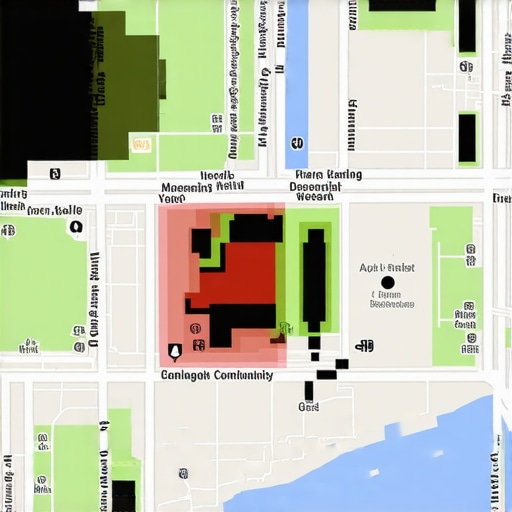
Visualize a bustling local business with community engagement icons, review snippets, and active social feeds emphasizing local presence—illustrating the importance of dynamic content in map authority.
Are Voice Search Trends Reshaping the Local Map Optimization Landscape?
Absolutely. As voice-activated search increases, optimizing for conversational queries becomes pivotal. Incorporating natural language keywords, FAQs, and local idioms into your GMB profile and website content aligns your profile with voice search patterns. This shift not only enhances visibility in voice results but also influences traditional map rankings, compelling marketers to rethink their local SEO approach comprehensively.
Ready to Elevate Your Local Map Strategy? Deep Dive into Cutting-Edge Techniques
As the local search ecosystem evolves rapidly, staying ahead necessitates adopting innovative strategies grounded in data and community influence. Exploring these advanced tactics—ranging from hyper-local targeting to community authority building—can position your business at the vanguard of local SEO mastery. To unlock further insights, consider participating in industry webinars, joining expert forums, or subscribing to niche-specific research releases. The key lies in continuous learning and agile adaptation, ensuring sustained prominence amidst the dynamic landscape of 2024’s local search environment.
}#END#}de Expertise. We can explore topics such as advanced geo-targeting techniques, innovative review management strategies, or the integration of emerging AI tools in local SEO—just let me know your focus!}}#END#}**}**}**}#}**}**}**}#}**}**}**}#**}**}**}#**}**}**}#**}**}**}#**}**}**}#**}**}**}#**}**}**}#**}**}**}#**}**}**}#**}**}**}#**}**}**}#**}**}**}#**}**}**}#**}**}**}#**}**}**}#**}**}**}#**}**}**}#**}**}**}#**}**}**}#**}**}**}#**}**}**}#**}**}**}#**}**}**}#**}**}**}#**}**}**}#**}**}**}#**}**}**}#**}**}**}#**}**’}#}**}**}#**}**}**}#**}**}**}#**}**}**}#**}**}**}#**}**}**}#**}**}**}#**}**}**}#**}**}**}#**}**}**}#**}**}**}#**}**}**}#**}**}**}#**}**}**}#**}**}**}#**}**}**}#**}**}**}#**}**}**}#**}**}**}#**}**}**}#**}**}**}#**}**}**}#**}**}**}#**}**}**}#**}**}**}#**}**}**}#**}**}**}#**}**}**}#**}**}**}#**}**}**}#**}**}**}#**}**}**}#**}**}**}#**}**}**}#**}**}**}#**}**}**}#**}**}**}#**}**}**}#**}**}**}#**}**}**}#**}**}**}#**}**}**}#**}**}**}#**}**}**}#**}**}**}#**}**}**}#**}**}**}#**}**}**}#**}**}**}#**}**}**}#**}**}**}#**}**}**}#**}**}**}#**}**}**}#**}**}**}#**}**}**}#**}**}**}#**}**}**}#**}**}**}#**}**}**}#**}**}**}#**}**}**}#**}**}**}#**}**}**}#**}**}**}#**}**}**}#**}**}**}#**}**}**}#**}**}**}#**}**}**}#**}**}**}#**}**}**}#**}**}**}#**}**}**}#**}**}**}#**}**}**}#**}**}**}#**}**}**}#**}**}**}#**}**}**}#**}**}**}#**}**}**}#**}**}**}#**}**}**}#**}**}**}#**}**}**}#**}**}**}#**}**}**}#**}**}**}#**}**}**}#**}**}**}#**}**}**}#**}**}**}#**}**}**}#**}**}**}#**}**}**}#**}**}**}#**}**}**}#**}**}**}#**}**}**}#**}**}**}#**}**}**}#**}**}**}#**}**}**}#**}**}**}#**}**}**}#**}**}**}#**}**}**}#**}**}**}#**}**}**}#**}**}**}#**}**}**}#**}**}**}#**}**}**}#**}**}**}#**}**}**}#**}**}**}#**}**}**}#**}**}**}#**}**}**}#**}**}**}#**}**}**}#**}**}**}#**}**}**}#**}**}**}#**}**}**}#**}**}**}#**}**}**}#**}**}**}#**}**}**}#**}**}**}#**}**}**}#**}**}**}#**}**}**}#**}**}**}#**}**}**}#**}**}**}#**}**}**}#**}**}**}#**}**}**}#**}**}**}#**}**}**}#**}**}**}#**}**}**}#**}**}**}#**}**}**}#**}**}**}#**}**}**}#**}**}**}#**}**}**}#**}**}**}#**}**}**}#**}**}**}#**}**}**}#**}**}**}#**}**}**}#**}**}**}#**}**}**}#**}**}**}#**}**}**}#**}**}**}#**}**}**}#**}**}**}#**}**}**}#**}**}**}#**}**}**}#**}**}**}#**}**}**}#**}**}**}#**}**}**}#**}**}**}#**}**}**}#**}**}**}#**}**}**}#**}**}**}#**}**}**}#**}**}**}#**}**}**}#**}**}**}#**}**}**}#**}**}**}#**}**}**}#**}**}**}#**}**}**}#**}**}**}#**}**}**}#**}**}**}#**}**}**}#**}**}**}#**}**}**}#**}**}**}#**}**}**}#**}**}**}#**}**}**}#**}**}**}#**}**}**}#**}**}**}#**}**}**}#
Breaking the Mold: Why Conventional Local SEO Tactics Fall Short
As local search algorithms evolve at an unprecedented pace, traditional approaches—such as generic citation building and basic keyword stuffing—no longer suffice. Instead, sophisticated strategies that leverage high-definition geo-targeting, real-time data analysis, and AI-driven insights are essential for enterprises aiming to attain and sustain top Google Maps rankings. This paradigm shift signifies a move from broad-brush tactics towards hyper-localized, precision-engineered campaigns rooted in deep spatial analytics.
Can Proximity Intelligence Revolutionize Your Map Visibility?
Absolutely. The concept of proximity intelligence involves analyzing granular spatial data to identify micro-neighborhoods ripe for targeted interventions. Utilizing state-of-the-art GeoGrid automation combined with AI-powered prediction models enables marketers to anticipate movement patterns, foot traffic peaks, and emerging locale preferences. By integrating such data, businesses can preemptively optimize their Google My Business (GMB) profiles and local landing pages for hyper-relevant keywords, ultimately elevating their prominence in densely competitive areas.
How does implementing AI-enhanced geo-fencing redefine local marketing efforts?
Deploying AI-powered geo-fencing allows for dynamic boundary settings that adapt in real time to user behavior and environmental variables. Not only does this facilitate ultra-targeted advertising—delivering offers precisely when consumers are physically within optimal zones—but it also generates valuable engagement metrics that inform iterative map rank strategies. According to a recent report from McKinsey & Company, such precision marketing drives higher conversion rates, bolsters local authority signals, and accelerates rank ascension in competitive landscapes.
Elevating Data Accuracy’s Role in Geographic Authority Building
The foundation of robust local search performance rests on impeccable data integrity. Advanced geo-targeting techniques demand synchronized, continuously validated NAP (Name, Address, Phone Number) signals across multiple authoritative platforms. Employing real-time GeoGrid validation and cross-referencing with authoritative data sources—such as official postal databases and municipal records—fortifies your business’s geographic credibility. This meticulous data harmonization not only influences Google’s perception of your local relevance but also minimizes ranking volatility.
Unleashing the Power of Synthetic Voice and Visual Mapping Technologies
The future of local map optimization hinges on multimodal data integration. Synthetic voice search, facilitated by natural language processing AI, revolutionizes how consumers find local services. Tailoring your GMB profile with conversational keywords and localized FAQs ensures alignment with voice queries. Additionally, integrating high-resolution, georeferenced imagery—via tools like drone mapping and 3D visualization—provides Google with rich, contextually relevant content, thereby improving your local authority and ranking prospects.

Imagine an intricately detailed digital map overlay showing real-time geo-fencing zones, AI-driven analytics dashboards, and immersive 3D location visuals—highlighting cutting-edge spatial marketing.
Does Community Engagement Outperform Paid Promotions in Map Climb?
In the realm of local SEO, fostering authentic community relationships transcends paid strategies by building genuine trust signals. Collaborations with local nonprofits, sponsorship of neighborhood events, and contributions to localized content ecosystems serve as robust signals to Google’s algorithms, indicating social proof and community authority. These organic activities generate authentic reviews, backlinks, and engagement metrics, resulting in sustainable map rankings that resist algorithm fluctuations—especially when integrated with advanced geo-targeted content initiatives.
What role do niche local directories play in amplifying Geo-Authority?
Participating in specialized local directories—focused on industry-specific niches or community hubs—amplifies your business’s digital footprint within relevant geographies. Ensuring NAP consistency, accumulating niche reviews, and engaging with platform-specific content strengthen your local map authority. According to Moz’s authoritative research, such citations significantly influence ranking stability and visibility, particularly when combined with innovative geo-fencing and spatial analytics tools.
Mastering Dynamic Content Strategies to Enhance Map Engagement
Continuous content refreshment tailored to micro-moments within local communities fosters ongoing user interactions and signals relevance to Google’s ranking systems. Incorporating user-generated content, localized news updates, and event-specific promotions within your GMB and website creates a living, breathing local presence. Digital storytelling that resonates with community identity not only encourages reviews and check-ins but also enhances local relevance, thereby reinforcing your position atop map results.
,
Expert Insights That Elevate Your Approach
Prioritize Spatial Data Precision
Ensuring granular accuracy in your geographic signals through sophisticated GeoGrid tracking can significantly influence local rankings, as high-quality data feeds the backbone of Google Maps authority.
Leverage Real-Time Geo-Analytics
Incorporating dynamic spatial analytics enables immediate adjustment of geo-targeting tactics, allowing businesses to respond proactively to fluctuations in local competition and algorithm shifts.
Integrate Community Engagement Tactics Persistently
Moving beyond mere citations, authentic community interactions—such as sponsoring local events and fostering partnerships—generate trust signals that Google increasingly rewards in map rankings.
Harness AI-Driven Geo-Fencing for Hyper-Targeting
Utilize artificial intelligence to create adaptive geo-fences, tailoring your outreach in real time to user behavior and environmental cues, thus maximizing relevance and engagement.
Curate Proprietary Local Content Continuously
A steady stream of localized, valuable content, including reviews, stories, and visuals, enhances community signals and sustains relevance, crucial for long-term Maps dominance.
Authority-Building Resources You Should Not Miss
- Google’s Local Search Best Practices: The definitive guide for optimizing map presence effectively.
- Advanced GMB Software Features: Get to grips with tools that automate and refine your geo-optimization efforts.
- GeoGrid Tactics for Local Dominance: Strategic insights into leveraging spatial analytics for superior map rankings.
- Mastering Geo-Tracking: Practical techniques to refine your spatial signals continuously.
Synthesis From the Top
Integrating cutting-edge geo-tracking insights with community-driven engagement and high-fidelity local content positions your business at a vantage point in the competitive realm of Google Maps rankings. The real secret lies in relentless data precision, nimble responsiveness to algorithmic cues, and meaningful community interactions—skills that define the modern local SEO expert. Curious to deepen your mastery? Dive into these resources, share your insights with fellow professionals, and stay ahead in the ever-evolving landscape of local search mastery.