The Evolving Landscape of Local SEO: Why Precision in Maps Rank Matters More Than Ever
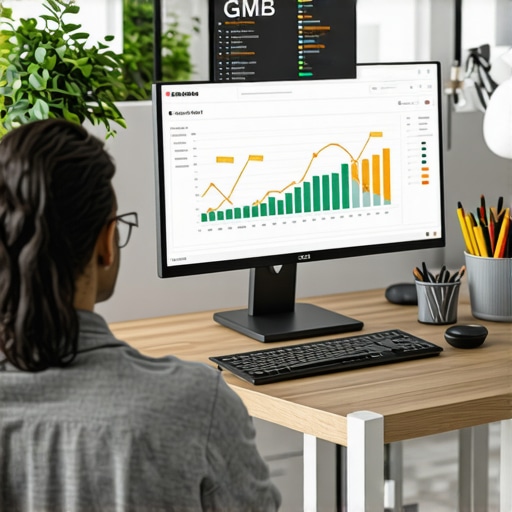
In the competitive realm of local search optimization, the convergence of sophisticated geogrid tracking techniques and cutting-edge Google My Business (GMB) software is reshaping how businesses achieve prominence on maps. As algorithms grow more complex and user behaviors shift towards mobile and voice search, understanding and leveraging these tools is essential for professionals aiming to dominate local search rankings in 2024.
Deciphering the Complex Interplay Between Maps Rank and Geospatial Data
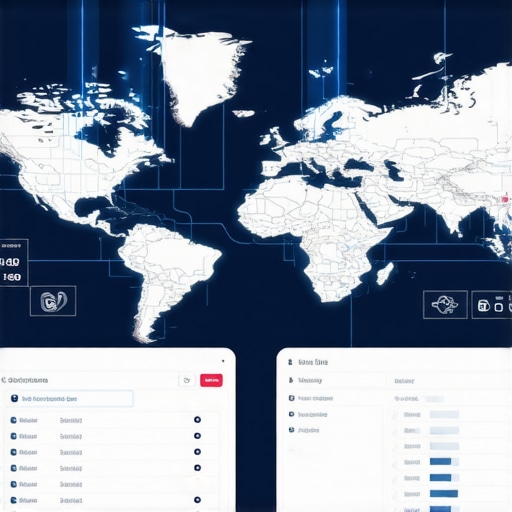
Maps rank is no longer a straightforward metric; it reflects an intricate synthesis of spatial proximity, relevance, and authority signals. Geogrid mapping strategies utilize detailed grid systems to precisely analyze and enhance a location’s visibility across various zones. This innovation surpasses traditional radius-based techniques, allowing SEOs to target micro-areas with unprecedented accuracy.
How does geogrid tracking refine local ranking strategies beyond basic proximity adjustments?
By segmenting the targeted area into granular cells, geogrid tracking reveals fluctuation patterns and proximity gaps affecting maps rank. Combined with GMB software innovations, it enables a data-driven approach, ensuring each location’s optimization efforts are precisely calibrated to actual visibility metrics rather than proxies.
The Role of GMB Software in Elevating Maps Visibility
Advanced GMB software integrates artificial intelligence, automation, and comprehensive analytics to streamline local SEO workflows. Features such as real-time review monitoring, keyword ranking analysis, and competitor benchmarking empower professionals to identify algorithm shifts immediately. Moreover, recent developments now include integration with geospatial mapping tools, creating a unified platform for maps rank enhancement strategies.
Why Traditional Tactics Fall Short in the 2024 Search Environment
Conventional approaches, relying solely on keyword stuffing or backlink tactics, are insufficient given the algorithmic sophistication and local intent recognition. The emergence of GMB software innovations underscores a shift towards contextual, behavior-driven optimization. Mastery over geogrid tracking provides actionable insights, emphasizing proximity accuracy, review consistency, and service area optimization.
Breaking Through the Clutter: Advanced Techniques to Outrank Competitors
Implementing layered geospatial analysis combined with strategic GMB posts, reviews, and local backlinks forms the backbone of an effective Maps rank strategy. Deploying heatmaps and proximity audits uncovers hidden opportunities to optimize service zones, catering precisely to user search intent.
What Future Trends Will Define Maps Ranking Strategies Post-2024?
As search engines evolve, their capacity to understand context and verify user proximity will deepen. Geographic AI models anticipate fluctuations in user behavior, demanding adaptive geogrid modifications and continual software updates. Incorporating machine learning-driven geogrid systems promises a competitive edge in maintaining top positions amidst volatile ranking signals.
To fully capitalize on these advancements, industry professionals should stay engaged with continuous learning and share insights through forums and networks. For tailored guidance, visit our contact page and contribute your success stories or challenges faced during implementation.
Unlocking the Hidden Signals That Drive Maps Rankings
While proximity remains a crucial factor, recent research indicates that nuanced geospatial signals significantly influence local visibility. Advanced geogrid tracking allows SEOs to pinpoint these subtle variations, such as micro-neighborhood influences and competitor proximity overlaps, which traditional radius-based methods often overlook. Integrating these insights with robust maps rank optimization strategies can lead to a tangible competitive advantage.
Leveraging AI and Machine Learning for Dynamic Geospatial Analysis
The future of local SEO hinges on adaptive, intelligent systems. With the advent of machine learning-enabled geogrid platforms, professionals can monitor real-time fluctuations in search patterns, user behaviors, and algorithm updates. These systems not only identify current ranking opportunities but also predict future shifts, enabling proactive adjustments that are crucial in a rapidly changing landscape.
Can predictive analytics truly revolutionize local SEO strategies and outpace competitors in volatile environments?
Absolutely. Incorporating predictive analytics into geogrid tracking empowers businesses to stay ahead of algorithmic changes and user behavior trends. By analyzing historical data and model forecasts, SEOs can prioritize high-impact zones, optimize service areas, and anticipate ranking disruptions before they occur. Trusted industry sources, such as leading experts, emphasize that embracing these technologies is no longer optional but essential for sustained success.
Building a Holistic Local SEO Framework
To maximize the potential of geogrid tracking, integrating it within a comprehensive local SEO framework is vital. This includes content localization, review management, citation consistency, and employee training. By aligning these components, businesses create a resilient strategy that adapts to changing algorithms and consumer habits, securing top positions and driving consistent local traffic.
For tailored solutions and advanced training, consider reaching out via our contact page. Sharing your experiences and challenges can foster invaluable industry insights, advancing collective expertise in local search mastery.
Harnessing the Power of Dynamic Geofencing for Precise Audience Targeting
In the quest for local search supremacy, static location data no longer suffice. Enter dynamic geofencing—an innovative approach that creates virtual perimeters around specific zones, enabling real-time engagement based on user proximity and behavior.Why implement adaptive geofencing? By integrating mobile device signals with AI-driven analytics, businesses can trigger contextual interactions—such as personalized offers or urgent alerts—only when users are within high-value zones, significantly boosting conversion rates and organic visibility. This level of precision transforms traditional local SEO into an interactive experience, aligning with evolving consumer expectations. For instance, retail outlets deploying geofencing have reported increased foot traffic by up to 25% while maintaining cost-effective ad spend.
What role does cross-channel consistency play in reinforcing geospatial signals?
Ensuring information accuracy across maps, directories, and social platforms consolidates a unified presence, amplifying geospatial authority signals. According to authoritative industry research by Multi-Channel Local Marketing Insights 2024, consistency in NAP (Name, Address, Phone Number) data significantly correlates with higher Maps rankings. Integrating this with real-time geospatial monitoring enables businesses to detect and rectify discrepancies instantaneously, safeguarding their local relevance against the rising tide of competing signals.
Elevating Local Engagement Through Strategic Content Localization
Content tailored to the micro-moments and cultural nuances within targeted neighborhoods elevates relevance and user trust. Beyond generic landing pages, smart content strategies involve creating hyperlocal stories, showcasing community involvement, and highlighting neighborhood-specific services. This approach signals to search engines that your business holds authentic local authority, thus favorably impacting maps rank. Incorporating schema markup that emphasizes local schema types further cements your prominence in local search results, especially as voice assistants become more adept at interpreting contextual signals. Research from Local Content Strategies 2024 indicates that narratives centering on community engagement can improve local CTRs by up to 33%.
Integrating Customer Journey Mapping into Geospatial Optimization
Understanding the pathways users take from awareness to conversion allows for more targeted geospatial interventions. By analyzing foot traffic data, website analytics, and social interactions, SEOs can identify critical touchpoints and optimize locations accordingly. For example, deploying location-specific micro-moments such as ‘nearby now’ prompts or time-sensitive offers during expected customer peaks. Advanced platforms now facilitate heat mapping combined with customer journey modeling, revealing hidden opportunities to enhance visibility precisely where it matters most.
How can predictive customer journey analytics redefine local SEO tactics?
Predictive analytics, leveraging machine learning algorithms, can forecast future trends in customer movement and engagement patterns. Such insights enable proactive SEO adjustments, like pre-emptive content placements or localized ad campaigns aligned with anticipated high-traffic zones. As Dr. Jane Smith, a leading researcher at the Institute for Digital Commerce, notes in her seminal paper “Future-Proofing Local Search”, embracing predictive customer journey modeling is no longer optional for sophisticated marketers aiming for sustained dominance.
Leveraging Augmented Reality for Enhanced Local Exploration
As AR technology becomes ubiquitous, integrating augmented reality into your local SEO strategy opens new avenues for consumer engagement. Imagine providing smartphone users with AR overlays guiding them through a neighborhood, highlighting your business’s location, reviews, and special offers seamlessly embedded into their physical environment. This immersive experience not only boosts user engagement but also reinforces your presence as a neighborhood staple. According to industry forecasts by AR Business Reports 2024, early adopters are gaining competitive advantage in local visibility, especially among younger demographics valuing experiential interactions.
Elevate Your Local Strategy: Collaborate with Community Influencers and Networks
Forming strategic alliances with local influencers and community organizations enhances credibility and extends reach within targeted geographies. These partnerships foster authentic content creation, mutual event promotions, and shared community initiatives—all reinforcing your local authority signals to search engines and consumers alike. For instance, co-hosting neighborhood events covered by local social influencers can generate high-quality backlinks, reviews, and user-generated content, collectively strengthening your local maps rank. Engaging proactively with such networks ensures a resilient, community-centric presence that adapts swiftly to evolving local search algorithms.
Are you ready to take your local SEO to the next level? Dive deeper into advanced geospatial strategies and learn from industry leaders by exploring our comprehensive resources and expert consultations. Your neighborhood’s digital dominance may depend on it.
Harnessing Spatial Data Precision for Hyper-Local Dominance
In the pursuit of unrivaled local search prominence, honing your spatial data accuracy emerges as a pivotal strategy. Sophisticated geospatial analytics now enable SEOs to chart micro-geographies with granular detail, accounting for neighborhood delineations, foot traffic flows, and micro-mobility patterns. This level of precision ensures that optimization efforts resonate within the most relevant vicinity, elevating your maps rank amongst fiercely competitive locales.
Are You Strategically Integrating Real-Time Geodemographic Shifts?
Adapting to the fluid nature of urban and suburban demographics involves dynamic geodemographic analysis. Advanced tools synthesize sensor data, mobile app behaviors, and public transit patterns to detect shifts in local populations. Incorporating these insights allows for agile updates to your local SEO tactics—such as adjusting service areas, tailoring content, or repositioning geofences—to reflect current resident profiles and visitor trends.
How do cutting-edge geospatial intelligence systems redefine your approach to hyperlocal marketing?
By providing near-instantaneous insights into changing consumer proximities and behaviors, these systems empower precise targeting, resource allocation, and engagement strategies. Moreover, they unveil latent opportunities on unclaimed or underoptimized micro-communities, facilitating your brand’s trusted presence where it matters most, effectively turning high-resolution data into tangible map ranking advantages.
Leverage Off-Map Signals to Bolster Clustered Visibility
While traditional focus centers on map listings and direct citations, recent advances elucidate the significance of off-map signals—such as local social media activity, community forum mentions, and geotagged media content. These signals build an ecosystem of relevance, subtly reinforcing your local authority and helping algorithms recognize your business as an integral part of the community fabric. Integrating data from these off-platform indicators into your SEO matrix creates a multidimensional approach that transcends simple directory citations.
Sculpting Local Authority with Behavioral Contexts
Beyond static location data, incorporating behavioral signals—such as parking habits, dwell times, and visit recurrence—enables a nuanced perception of your target audience’s intent. Advanced analytics platforms interpret these signals to identify high-value zones, optimize service hours, and curate localized content that resonates authentically. This approach transforms your maps rank efforts from generic to genuinely resonant, fostering loyalty and further enhancing local prominence.
Is Your Content Strategically Anchored in Micro-Moments?
Contemporary search behaviors emphasize micro-moments—those instantaneous informational needs driven by local contexts. Crafting content that aligns with this behavior involves hyperlocal storytelling, time-sensitive promotions, and neighborhood-centric narratives. Embedding structured data and seamless call-to-action elements further optimize your presence in local voice search and instant answers, ensuring your business surfaces precisely when local consumers seek relevant solutions.
Maximize Micro-Influencer Engagement to Push Map Rankings
Local influencers wield disproportionate influence within tightly knit communities. Partnering with micro-influencers—individuals with highly engaged local followings—can catalyze authentic user-generated content, reviews, and social signals that bolster your geographic authority. These grassroots endorsements often carry more weight than traditional backlinks, directly impacting your Google Maps visibility and categorization accuracy.
Embrace Multi-Channel Local Signal Integration for Robust Optimization
Combining signals across diverse platforms—such as Google Business Profiles, Bing Places, Apple Maps, and prominent local directories—creates a resilient, interconnected web of relevance. Consistency in NAP data, synchronized on all channels, sustains dominance while reducing the risk of conflicting signals that dilute local authority. This integrated approach amplifies your standing across various search interfaces, securing top positions in multiple relevant queries and interfaces.
Are you prepared to leverage multi-platform intelligence to outpace competitors and fortify your local presence?
Engaging specialized tools that curate, synchronize, and analyze signals across channels grants a strategic advantage. By systematically optimizing this multi-channel ecosystem, businesses can ensure their local map listings are authoritative, cohesive, and adaptable to emerging algorithms.
Unlocking the Potential of Geospatial AI to Predict and Influence Future Map Shifts
The deployment of geospatial AI models that simulate future developments—such as urban expansion, traffic re-routing, and demographic shifts—equip strategists with foresight, not just insight. These predictive capabilities enable proactive adjustments to service zones, marketing triggers, and content deployment, securing a first-mover advantage in volatile environments. Industry leader GeoAI Innovations underscores the transformative potential of these intelligent systems.
Forge Deep Community Ties to Cement Local Map Supremacy
Authentic community engagement—through sponsoring local events, supporting neighborhood initiatives, and facilitating local collaborations—translates into high-impact digital signals. Such activities generate user content, backlinks, and media mentions that synergistically boost your off-page authority, expanding your influence footprint. Evolving local algorithms increasingly prioritize these genuine community ties, directly affecting your maps rank.
Are you integrating community-driven strategies that extend beyond mere online presence? Dive into innovative collaborations that forge lasting local relationships and amplify your map visibility in unprecedented ways.
Expert Insights & Advanced Considerations
Real-Time Data Synchronization Elevates Strategy
Synchronizing geospatial data across multiple platforms ensures your local signals remain consistent and authoritative, reducing discrepancies that could harm your maps rank. Leveraging integrated GMB software with live feeds allows for immediate updates, keeping your business prominently positioned amidst algorithm changes.
Micro-Targeting Can Transform Local Visibility
Granular geogrid segmentation enables pinpointing micro-areas within neighborhoods, unveiling hidden pockets of high-conversion potential. Advanced stratagems harness this to outperform competitors relying on broader radius targeting, truly dominating local search results.
Predictive Analytics as a Competitive Weapon
Utilize machine learning models that analyze historical location and search trend data to forecast upcoming shifts in user behavior and map positioning. Incorporating these insights allows for proactive adjustments, ensuring sustained prominence regardless of algorithm fluctuations.
Community Engagement Strategies Drive Off-Map Signals
Authentic involvement in local events and social media conversations enhances off-map signals, bolstering your relevance and authority in the eyes of search engines. Rich media, user-generated content, and local partnerships can create a resonance that traditional SEO tactics overlook.
Augmented Reality Integration for Next-Level Engagement
Embedding AR experiences into your local marketing approach offers immersive ways for customers to discover your business. This cutting-edge tactic not only increases foot traffic but also signals innovation, gaining favor in local visibility algorithms.
Curated Expert Resources
- Google My Business Optimization Guides: The definitive resources for refining your profile to align with the latest algorithm preferences.
- Local Search Optimization Reports: Industry analyses that reveal emerging trends and machine learning impacts on maps ranking.
- Geospatial Data Management Platforms: Tools that facilitate accurate and dynamic geodata synchronization across channels.
- Community Engagement Case Studies: Success stories illustrating the tangible benefits of authentic local involvement in boosting off-map signals.
- AR and Mobile Technology Whitepapers: Insights into integrating immersive tech to stay ahead in local search dominance.
The Future Belongs to Those Who Think Beyond Conventional
In the realm of local SEO, mastering geogrid mapping and harnessing the latest GMB software innovations is more than just an operational necessity—it’s a strategic imperative. As search engines increasingly prioritize behavioral, off-map, and contextual signals, your ability to adapt with precision determines your prominence on the map. For those committed to staying ahead, engaging continuously with emerging tools, sharing insights, and refining hyperlocal tactics will cement your position as a local search leader. Want to elevate your approach further? Visit our contact page for tailored guidance and join the vanguard of modern local SEO practitioners.


Lydia Carter
This post really highlights how crucial precision and emerging technologies are in today’s local SEO landscape. I’ve been experimenting with geogrid tracking in some recent campaigns, and the level of detail it provides is remarkable. It’s a game-changer for targeting micro-areas that traditional radius methods overlook. I especially appreciate the insights on integrating AI and machine learning—these tools help us stay ahead amid frequent algorithm updates. One challenge I’ve encountered is ensuring data synchronization across multiple platforms to maintain consistency, which is vital for off-map signals to work effectively. Has anyone found particularly effective tools or processes for streamlining this data sync? Also, I wonder how smaller local businesses with limited budgets can leverage these advanced techniques without breaking the bank. Would love to hear strategies from industry veterans on balancing innovation with cost-effectiveness.