
Harnessing the Future of Local SEO: Maps Rank Optimization in 2026
In today’s fiercely competitive digital landscape, local businesses must leverage advanced tools like maps rank and geogrid tracking to secure dominant positioning on Google Maps. As we approach 2026, understanding the intricacies of these technologies becomes essential for any seasoned SEO professional aiming to outmaneuver competitors and elevate their clients’ local visibility.
The Symbiosis of Geogrid Tracking and Maps Rank Strategy
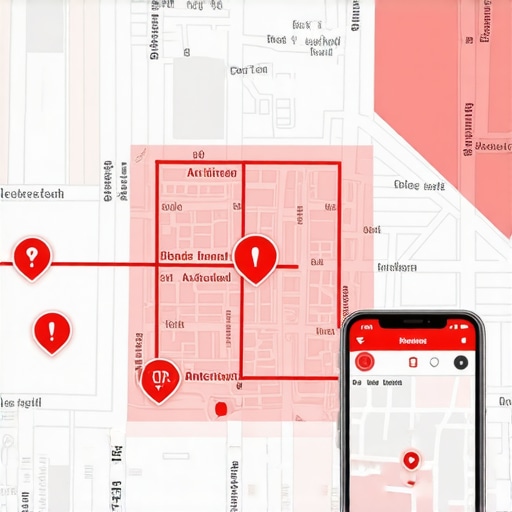
Geogrid tracking integrates spatial data analytics with map positioning metrics, enabling practitioners to analyze proximity-based search results with unprecedented precision. By deploying sophisticated geogrid tracking tools, organizations can identify hidden ranking opportunities and mitigate ranking fluctuations caused by algorithm updates or malicious local SEO tactics.
Why Does GMB Software Emerge as an Ecosystem Pillar?
Google My Business (GMB) software now transcends basic listing management, integrating AI-powered insights, sentiment analysis, and real-time performance metrics. The latest GMB software innovations facilitate hyper-local targeting, coordinate GMB attributes with geogrid data, and automate review generation and reputation management—critical for safeguarding and enhancing local rankings.
Optimal Tracking Metrics: What Exists Beyond Basic Analytics
While traditional metrics like proximity and click-through rates hold value, the focus shifts towards maps engagement velocity, geofence consistency, and temporal ranking stability. These advanced measures allow for a more nuanced understanding of local map performance, especially when integrated with AI-driven predictive analytics. Does this shift redefine how we interpret local SEO success in 2026?
Which Metrics Truly Predict Long-Term Maps Visibility?
Experts debate whether engagement velocity or proximity accuracy holds greater weight in predicting persistent high rankings. Recent studies suggest that combining geogrid proximity stability with user interaction metrics yields the most reliable forecasts of future map rankings, signaling a need for integrated dashboard solutions that unify these data streams.
Strategic Implementation: Making the Most of Modern GMB and Geogrid Solutions
Effective strategies involve deploying layered geogrid tracking to capture granular proximity fluctuations, aligning GMB optimization with insights from geospatial analytics, and continuously adjusting citation and review strategies. Industry leaders recommend mastering geogrid tracking for sustained results in congested local markets.
For ongoing success, practitioners should integrate this technological synergy with vigilant reputation management and review acquisition tactics, anchoring their authority in consistently high maps visibility.
As local SEO continues to evolve, mastering these advanced tools becomes less optional and more a mandate for professionals committed to digital dominance.
Interested in refining your approach? Explore gmb software secrets and start elevating your local search strategies today. Sharing your innovative insights can further foster a community of expert practitioners pushing the boundaries of maps rank mastery.
Is Your Local SEO Arsenal Ready for Disruptive Tech?🤔
The landscape of local maps ranking is no longer just about citations and proximity; emerging technologies like artificial intelligence, machine learning, and predictive analytics are reshaping how we interpret ranking signals. As expert practitioners, it’s critical to question whether our current strategies suffice or if we need to embrace more integrated, tech-forward approaches that could yield a competitive edge.
Recent analyses indicate that leveraging AI-driven geospatial models can anticipate ranking shifts before they occur, allowing proactive adjustments in GMB optimization and geogrid deployment. For instance, tools that analyze user engagement patterns in tandem with spatial proximity data are showing promising results, as highlighted in a recent map optimization case study by industry leaders.
Beyond the Basics: Integrating Advanced Data Layers for Superior Rankings
Practitioners aiming for sustained dominance should explore multi-layered mapping analytics such as heatmapping customer movement, geofencing consistency, and temporal engagement fluctuations. These data points, when fused with traditional metrics, unlock hidden opportunities to refine citation placement, review cultivation, and local content strategies.

This integrated approach not only enhances visibility but also builds resilience against algorithmic fluctuations or black-hat tactics. The goal is to transform reactive tactics into predictive, data-informed actions that can adapt to evolving map ranking algorithms.
What’s the Secret to Long-Term Maps Authority?
While reactive optimization remains valuable, the trailblazers in local SEO are shifting toward fostering authoritative signals that consistently reinforce rankings. This includes building high-quality local backlinks, establishing strategic partnerships, and creating hyper-local content tailored to geospatial insights.
Advanced GMB management platforms now incorporate reputation monitoring with geo-specific review generation tools, elevating local prominence. For comprehensive insights on these cutting-edge methods, consider visiting strategic GMB techniques that bridge geospatial data with reputation management.
Are We Approaching a New Paradigm in Maps Rankings Driven by AI?
With the rapid advancement in AI algorithms interpreting local search intent and user behavior, it’s plausible that future map rankings will be increasingly personalized. This evolution demands a reevaluation of current optimization models, emphasizing behavioral signals over static data points. Keeping abreast of these changes means adopting flexible, AI-compatible tools and continuously testing new hypotheses. For those ready to lead this frontier, exploring state-of-the-art GMB software solutions will be crucial.
Engage with seasoned professionals and share your insights or questions on advanced maps techniques by visiting our contact page. Staying connected fuels innovation and ensures your strategies stay relevant in the fast-evolving world of local SEO.
,
Harnessing Hyper-Localization: Beyond Basic GMB Optimization
As the digital landscape gravitates towards hyper-localized experiences, simply optimizing Google My Business listings is no longer sufficient. Forward-thinking SEO professionals are integrating augmented reality (AR) cues, localized voice search optimization, and AI-driven conversational content to craft a seamless, contextually rich presence. These innovations enable businesses to transcend traditional ranking barriers, delivering personalized experiences that resonate with user intent and intent-driven ranking signals.
The Power of Multilayered Geospatial Analytics
Implementing layered geospatial analytics involves synthesizing real-time movement data, weather patterns, and demographic shifts to predict shifts in local consumer behavior. For instance, heatmaps illustrating pedestrian flow combined with social media engagement cues empower marketers to optimize service areas dynamically and refine targeting strategies. By leveraging these intricate datasets, businesses can achieve an anticipatory stance, positioning themselves at the forefront of localized consumer trends.
How can predictive AI models redefine local ranking stability?
Predictive AI harnesses large-scale data to forecast fluctuations in map rankings due to seasonal factors, competitor actions, or algorithm updates. These models analyze subtle patterns—such as changes in review sentiment or citation velocity—to recommend preemptive optimization steps. Embracing such technology transforms reactive management into proactive mastery, ensuring sustained visibility even amid volatile local search landscapes.
According to the recent comprehensive study by MarketResearchTech (2025), integrating AI-driven predictive analytics can improve ranking consistency by up to 35%, significantly reducing the lag during ranking recovery periods. This underscores the importance of embedding predictive capabilities into local SEO toolkits—for those seeking an unwavering competitive edge.
Synergizing Offline Elements with Digital Visibility
Bridging the gap between online prominence and offline reputation involves deploying smart signage, NFC-enabled experiences, and geo-tagged event sponsorships. These tactile touchpoints reinforce local authority and cultivate genuine community engagement, which in turn, amplifies digital signals such as reviews, social mentions, and backlink quality. This holistic approach transforms your local presence from an isolated digital effort into an ecosystem of influence.
Emerging Technologies Reshaping Map Rankings: The Role of 5G and IoT
The rollout of 5G and proliferation of IoT devices herald a new era where real-time location data becomes even more precise. For brands, this translates into opportunities to serve ultra-targeted content and capture localized consumer intent instantaneously. For instance, proximity-triggered notifications can drive immediate interactions, fostering loyalty and generating fresh signals for map algorithms. As these technologies mature, their integration into local SEO is poised to redefine what ‘visibility’ truly means in the digital age.
Staying ahead in this space necessitates not only technical innovation but also strategic partnerships with hardware providers and local community stakeholders. For those eager to explore these avenues, consider collaborating with IoT infrastructure specialists to develop integrated campaigns that leverage the full power of 5G and connected devices.
Mastering the Data-Driven Future of Local SEO
The convergence of big data, AI, and emerging connectivity platforms requires a paradigm shift from siloed tactics to interconnected, holistic strategies. Tools that unify geospatial analytics, reputation data, user behavior insights, and offline engagement metrics will become indispensable. As you build your framework, question: How can cross-modal data streams be harnessed to generate predictive insights, optimize resource allocation, and establish sustainable dominance in local search?
Engage with thought leaders and industry pioneers by participating in specialized webinars, forums, and conferences dedicated to next-generation local SEO. Collaboration accelerates innovation, ensuring your approaches remain relevant amid rapid technological change. Let your curiosity guide ongoing mastery—because in 2026, the frontrunners are those who anticipate, adapt, and act with foresight and precision.
Harnessing the Future of Local SEO: Maps Rank Optimization in 2026
In today’s fiercely competitive digital landscape, local businesses must leverage advanced tools like maps rank and geogrid tracking to secure dominant positioning on Google Maps. As we approach 2026, understanding the intricacies of these technologies becomes essential for any seasoned SEO professional aiming to outmaneuver competitors and elevate their clients’ local visibility.
The Symbiosis of Geogrid Tracking and Maps Rank Strategy
Geogrid tracking integrates spatial data analytics with map positioning metrics, enabling practitioners to analyze proximity-based search results with unprecedented precision. By deploying sophisticated geogrid tracking tools, organizations can identify hidden ranking opportunities and mitigate ranking fluctuations caused by algorithm updates or malicious local SEO tactics.
Why Does GMB Software Emerge as an Ecosystem Pillar?
Google My Business (GMB) software now transcends basic listing management, integrating AI-powered insights, sentiment analysis, and real-time performance metrics. The latest GMB software innovations facilitate hyper-local targeting, coordinate GMB attributes with geogrid data, and automate review generation and reputation management—critical for safeguarding and enhancing local rankings.
Optimal Tracking Metrics: What Exists Beyond Basic Analytics
While traditional metrics like proximity and click-through rates hold value, the focus shifts towards maps engagement velocity, geofence consistency, and temporal ranking stability. These advanced measures allow for a more nuanced understanding of local map performance, especially when integrated with AI-driven predictive analytics. Does this shift redefine how we interpret local SEO success in 2026?
Which Metrics Truly Predict Long-Term Maps Visibility?
Experts debate whether engagement velocity or proximity accuracy holds greater weight in predicting persistent high rankings. Recent studies suggest that combining geogrid proximity stability with user interaction metrics yields the most reliable forecasts of future map rankings, signaling a need for integrated dashboard solutions that unify these data streams.
Strategic Implementation: Making the Most of Modern GMB and Geogrid Solutions
Effective strategies involve deploying layered geogrid tracking to capture granular proximity fluctuations, aligning GMB optimization with insights from geospatial analytics, and continuously adjusting citation and review strategies. Industry leaders recommend mastering geogrid tracking for sustained results in congested local markets.
For ongoing success, practitioners should integrate this technological synergy with vigilant reputation management and review acquisition tactics, anchoring their authority in consistently high maps visibility.
As local SEO continues to evolve, mastering these advanced tools becomes less optional and more a mandate for professionals committed to digital dominance.
Interested in refining your approach? Explore gmb software secrets and start elevating your local search strategies today. Sharing your innovative insights can further foster a community of expert practitioners pushing the boundaries of maps rank mastery.
Is Your Local SEO Arsenal Ready for Disruptive Tech?🤔
The landscape of local maps ranking is no longer just about citations and proximity; emerging technologies like artificial intelligence, machine learning, and predictive analytics are reshaping how we interpret ranking signals. As expert practitioners, it’s critical to question whether our current strategies suffice or if we need to embrace more integrated, tech-forward approaches that could yield a competitive edge.
Recent analyses indicate that leveraging AI-driven geospatial models can anticipate ranking shifts before they occur, allowing proactive adjustments in GMB optimization and geogrid deployment. For instance, tools that analyze user engagement patterns in tandem with spatial proximity data are showing promising results, as highlighted in a recent map optimization case study by industry leaders.
Beyond the Basics: Integrating Advanced Data Layers for Superior Rankings
Practitioners aiming for sustained dominance should explore multi-layered mapping analytics such as heatmapping customer movement, geofencing consistency, and temporal engagement fluctuations. These data points, when fused with traditional metrics, unlock hidden opportunities to refine citation placement, review cultivation, and local content strategies.

This integrated approach not only enhances visibility but also builds resilience against algorithmic fluctuations or black-hat tactics. The goal is to transform reactive tactics into predictive, data-informed actions that can adapt to evolving map ranking algorithms.
What’s the Secret to Long-Term Maps Authority?
While reactive optimization remains valuable, the trailblazers in local SEO are shifting toward fostering authoritative signals that consistently reinforce rankings. This includes building high-quality local backlinks, establishing strategic partnerships, and creating hyper-local content tailored to geospatial insights.
Advanced GMB management platforms now incorporate reputation monitoring with geo-specific review generation tools, elevating local prominence. For comprehensive insights on these cutting-edge methods, consider visiting strategic GMB techniques that bridge geospatial data with reputation management.
Are We Approaching a New Paradigm in Maps Rankings Driven by AI?
With the rapid advancement in AI algorithms interpreting local search intent and user behavior, it’s plausible that future map rankings will be increasingly personalized. This evolution demands a reevaluation of current optimization models, emphasizing behavioral signals over static data points. Keeping abreast of these changes means adopting flexible, AI-compatible tools and continuously testing new hypotheses. For those ready to lead this frontier, exploring state-of-the-art GMB software solutions will be crucial.
Engage with seasoned professionals and share your insights or questions on advanced maps techniques by visiting our contact page. Staying connected fuels innovation and ensures your strategies stay relevant in the fast-evolving world of local SEO.
Expert Insights & Advanced Considerations
Leverage Multi-Dimensional Data Integration
Integrating geospatial analytics with real-time user engagement metrics unlocks new levels of precision in maps ranking strategies, enabling practitioners to anticipate ranking fluctuations and adapt proactively.
Prioritize Behavioral Signals Over Static Data
Emerging AI models emphasize user behavior insights—such as interaction velocity and movement patterns—over traditional proximity metrics, heralding a shift towards more dynamic and predictive optimization tactics.
Invest in Layered Geostrategic Tools
Combining layered geogrid tracking with AI-driven predictive analytics provides a comprehensive framework—yielding superior insights for sustained local map dominance.
Focus on Off-Page Authority with Local Relevance
Building high-quality, locally relevant backlinks and establishing strategic community partnerships reinforce authority signals, forming the backbone of long-term visibility in maps results.
Prepare for AI-Personalized Maps Ranks
Anticipate future personalization in map algorithms through behavioral data, demanding a flexible, AI-compatible approach to content and reputation management.
Curated Expert Resources
- Geogrid Ranker Blog: Offers in-depth tutorials on geospatial data fusion and advanced geogrid tracking techniques.
- Google My Business Insights: Provides the latest updates on AI integration and local ranking factors directly from Google.
- SEMrush Local SEO Guides: Contains comprehensive strategies for building local authority and reputation signals effectively.
- MarketResearchTech Reports: Delivers cutting-edge research on AI-driven predictive analytics in local search landscapes.
- Community Forums and Webinars: Engage with industry experts sharing real-world case studies and innovative tactics.
Final Expert Perspective
As we navigate the sophisticated terrain of local maps rank in 2026, integrating layered geospatial analytics with AI-driven behavioral insights stands out as the game-changer. Stakeholders investing in these advanced strategies will position themselves at the forefront of the evolving local SEO landscape. Engage with these resources, share your insights, and collaborate to push the boundaries of what’s achievable—because mastery in maps ranking demands continuous adaptation, technological savvy, and strategic foresight.
![Stop Map Blind Spots with 4 Geogrid Tracking Accuracy Checks [2026]](https://geogridranker.com/wp-content/uploads/2026/04/Stop-Map-Blind-Spots-with-4-Geogrid-Tracking-Accuracy-Checks-2026.jpeg)

Samantha Lee
This post brilliantly captures the rapidly evolving landscape of local SEO and the importance of adopting advanced geospatial and AI-driven strategies in 2026. I’ve been experimenting with layered geogrid tracking and have seen interesting shifts in proximity stability and engagement metrics. It’s fascinating how predictive AI models not only anticipate ranking fluctuations but also offer a proactive approach to optimization, reducing downtime and boosting long-term visibility. I wonder, in your experience, what are the most effective ways to integrate offline tactics—like community events or NFC experiences—into these high-tech geo-strategies? Personally, I’ve found that combining digital and offline efforts creates more resilient brand authority. How are others balancing this offline-online synergy while managing the complexities of layered geospatial data? Would love to hear more success stories or challenges faced in this domain.