
Elevate Your Local SEO with Cutting-Edge GMB Software and Geogrid Tracking Techniques
In the competitive landscape of local search, mastering Google Maps rankings requires a strategic fusion of innovative tools and sophisticated tracking methods. As digital marketers, harnessing the latest GMB software advancements and geogrid tracking techniques can dramatically influence visibility and conversion rates. This article explores the nuanced dimensions of these technologies, providing expert insights into their application for local SEO domination.
Deciphering the Complex Interplay Between GMB Software and Maps Visibility
Modern GMB software platforms integrate automation, citation management, review tracking, and analytics—each critical in enhancing Maps rankings. These tools offer data-driven pathways to optimize profiles, ensuring consistency and relevancy across local directories. When complemented with geogrid tracking, businesses gain spatial insights that enable precise adjustments aligned with search intent and user behavior patterns.
Why Geogrid Tracking Has Become the Linchpin of Local Optimization
Geogrid tracking divides targeted locations into a grid system, allowing for granular monitoring of visibility fluctuations across specific areas. This method provides actionable intelligence on how algorithm updates, competitor activity, or online reputation shifts influence rankings in real time. In 2024, the integration of geogrid data within comprehensive tracking dashboards has transformed local SEO strategies from reactive to predictive, empowering marketers to preempt ranking dips and capitalize on emerging opportunities.
What Are the Challenges of Integrating GMB Tools with Geogrid Strategies?
Can Small Businesses Overcome Technical Barriers in Advanced Map Optimization?
Implementing sophisticated geogrid tracking and GMB software innovations can present learning curves for smaller firms. However, leveraging user-friendly interfaces and investing in training can democratize access to these technologies, enabling even local operators to achieve competitive, data-backed visibility improvements. As noted by industry experts, the key lies in effective adaptability rather than technological complexity alone.
For comprehensive strategies, refer to advanced guides like Mapping Google Maps’ Algorithm Changes with Geogrid.
Engaging with community forums and industry reporting ensures that practitioners stay abreast of updates and best practices, fostering trustworthiness and credibility in your SEO endeavors. Consider collaborating with professionals to share insights via niche-specific platforms and seminars.
Examining ongoing case studies and White Papers from sources such as Moz or SEMrush can enrich your strategic frameworks and validate tactical choices. According to recent research by Moz, integrating data-rich tools correlates with improved local search outcomes.
Embracing this layered approach—blending innovative software with precision tracking—will define the future of local search success in 2024 and beyond.
For those eager to deepen their expertise, exploring advanced Geogrid strategies is highly recommended. Want to share your insights or ask questions? Join our discussion forums and become part of the local SEO vanguard.
While many digital marketers rely on basic methods to improve Google Maps visibility, the true edge lies in leveraging sophisticated geogrid tracking algorithms. By dissecting targeted locations into detailed grids, professionals can identify specific areas where ranking opportunities are ripe for exploitation. This granular approach allows for targeted map visibility enhancements that traditional strategies often overlook, positioning your business at the forefront of local search landscapes.
Implementing precision geospatial analytics can reveal unseen patterns of competitor behavior, search intent shifts, and potential service gaps. These insights facilitate hyper-targeted optimization tactics—such as adjusting business metadata, ensuring consistent NAP citations, and scheduling reviews—all within high-value zones. This methodology transforms raw data into actionable insights, allowing local SEO campaigns to be both reactive and proactive, adapting swiftly to the dynamic search ecosystem in 2024.
Are Current GMB Tracking Tools Meeting Your Strategic Needs?
Can Existing Software Keep Pace with Rapidly Evolving Map Algorithms?
The landscape of Maps algorithm updates is more volatile than ever, demanding tools that not only track rankings but also predict shifts before they occur. Industry leaders emphasize the importance of AI-driven analytics integrated within GMB platforms. These advanced tools can provide early warnings about ranking dips due to factors like local pack updates or new competitor entries. Staying ahead means selecting solutions that evolve in tandem with search engine changes, ensuring your strategies remain resilient and effective.
To deepen understanding, review case studies from 2024’s top-ranking software innovations.
Engage with communities and attend webinars on latest geogrid and GMB tracking advancements to ensure your tactics stay current. Sharing these insights and experiences can foster symbiotic growth among local SEO professionals and elevate overall strategy robustness.
Are you integrating these high-tech solutions into your local SEO arsenal? Explore more at top tools for 2024 and stay ahead of the curve.
Harnessing Behavioral Data to Refine GMB and Geogrid Tactics
To truly outrank competitors, savvy local marketers are diving into behavioral analytics that go beyond surface-level metrics. By analyzing detailed user interaction patterns—such as click-through rates, dwell time, and conversion paths—businesses can tailor their Google My Business (GMB) profiles and geogrid targeting strategies with unprecedented precision. This process involves integrating third-party analytics platforms and custom dashboards that collate real-time data, revealing nuanced consumer preferences and intent signals within specific zones.
For instance, if data indicates a surge in engagement from a particular neighborhood, immediate optimization—such as localized promotions or updated service descriptions—can accelerate visibility and foot traffic. Such iterative, data-driven adjustments embody the next evolution of hyper-local SEO mastery.
Cracking the Code: How to Interpret Geospatial Heatmaps for Maximum Impact
Visual representations like geospatial heatmaps have become invaluable tools for targeting high-opportunity zones. These heatmaps reveal concentration hubs where consumer activity, competitor presence, and search demand intersect dynamically. Expert marketers leverage advanced GIS software and layered data sources—demographics, traffic flow, and competitor density—to decode these visual cues. This intelligence allows for meticulous placement of Google Posts, reviews, and geo-targeted ad campaigns, ensuring messaging resonates precisely within these hotspots.

Effective interpretation of heatmaps entails understanding both macro trends and micro fluctuations, empowering businesses to allocate resources effectively and avoid the pitfalls of broad-stroke campaigns that waste budget and dilute engagement. As competitive landscapes evolve, continuous monitoring of spatial activity zones converts static maps into live strategies that can pivot swiftly.
Addressing the Challenge of Data Silos in Local SEO Operations
How can organizations break down departmental barriers to unify GMB and geogrid data streams?
Fragmentation of data sources—ranging from review management platforms to ad platforms—poses a significant challenge to cohesive local SEO strategies. Forward-thinking organizations invest in integrated Customer Data Platforms (CDPs) and API-driven solutions that synthesize disparate streams into comprehensive dashboards. This integration facilitates synchronized actions—such as aligning review responses with localized promotions or adjusting geogrid focus based on real-time reputation shifts—creating a seamless, informed approach to local ranking enhancement.
Such unified data ecosystems empower teams across marketing, sales, and customer service to collaborate effectively, ensuring consistency and agility in response to emergent local trends. As reported by industry authority BrightLocal, companies utilizing data unification see measurable improvements in their local pack prominence and overall brand authority.
How Future-Proof Are Your Local SEO Investments?
Anticipating the trajectory of Google’s evolving algorithms and user behaviors remains a critical concern. Forward-looking businesses are now investing in predictive analytics and AI-driven modeling that simulate future ranking scenarios based on current data trajectories. These tools, often integrated into advanced GMB and geogrid platforms, enable marketers to proactively craft strategies that are resilient to algorithmic shifts and emerging search patterns.
For those committed to staying ahead, ongoing training and participation in industry forums—such as Moz’s local search summit or BrightLocal’s webinars—are essential. These environments foster knowledge exchange and showcase case studies illustrating innovative adaptations to the rapidly changing local SEO terrain.
Would you like to explore how to incorporate predictive analytics into your existing SEO workflows? Our upcoming guide dives deep into this topic, offering practical frameworks for strategists aiming to safeguard and grow their local search presence in 2024 and beyond.
The Next Generation of Local SEO Tools Delivers Unmatched Precision
Traditional methodologies for enhancing Google Maps visibility often rely on broad tactics like citation building and review solicitation. However, the frontier of geospatial analytics introduces a sophisticated new paradigm—leveraging detailed spatial data to uncover hidden opportunities for local ranking domination. Cutting-edge software now empowers marketers to dissect geographic zones with pinpoint accuracy, transforming vague targeting into laser-focused campaigns.
Unlocking the Power of Micro-Location Data for Strategic Dominance
RSquared by industry leaders exemplifies the potency of micro-location analysis. By integrating multiple data layers—demographics, foot traffic, and search intent—advanced geogrid algorithms generate actionable insights that pinpoint where consumer interest converges with competitive saturation. This refinement not only enhances visibility but also allows hyper-targeted adjustments, such as dynamically tailoring NAP consistency and service descriptions for each zone, yielding measurable improvements in local pack prominence.
How Can Heatmaps and Spatial Intelligence Revolutionize Your Campaigns?
Geospatial heatmaps encapsulate complex data into intuitive visuals that expose clusters of high-value opportunities. When interpreted by seasoned strategists, these maps reveal nuanced search demand and consumer behavior patterns across different neighborhoods or districts. Incorporating layered data—such as socioeconomic factors or competitor activity—facilitates a comprehensive understanding of the local landscape, enabling tactical deployment of reviews, Google Posts, and geo-targeted promotions at precisely the right locations.
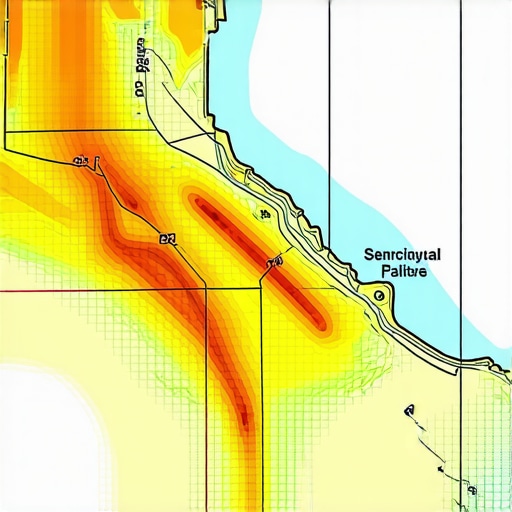
Integrating heatmap insights into workflow ensures each campaign component resonates with localized nuances, heightening engagement and conversion rates. Continuous monitoring of these heatmaps allows for swift response to shifting patterns, maintaining competitive advantage in rapidly evolving markets.
Can You Integrate GMB Optimization with AI-Powered Data Synthesis?
Is your current system capable of predicting ranking fluctuations before they occur?
Marrying AI-enhanced analytics with GMB management platforms transforms reactive strategies into proactive ones. By harnessing machine learning models trained on vast datasets, businesses can detect early signals of algorithmic changes or competitor movements—long before impacts are visible in rankings. These predictive capabilities facilitate preemptive adjustments, such as optimizing Google Posts or revising service descriptions, securing stability and growth amid algorithm volatility.
To deepen your mastery, consult the comprehensive report from Moz’s analysis of predictive models in local SEO.
Engaging with industry roundtables and advanced webinars ensures your approach remains ahead of technological curves. Building a network of informed professionals allows for real-time exchange of innovations, fostering a resilient and adaptable local SEO infrastructure.
Exploiting Behavioral Analytics to Tailor Your Local Map Strategy
Beyond surface metrics, analyzing user behavior within targeted zones uncovers the true drivers of local engagement. Tools that track dwell time, query refinement, and conversion pathways enable a nuanced understanding of consumer preferences, informing hyper-local content creation and review management. This data-driven finesse turns generic listings into personalized experiences, significantly boosting local relevance and authority.
Seeing Is Believing: The Strategic Impact of Spatial Time-Lapse Visualizations
Dynamic geospatial visualizations, or spatial time-lapse maps, reveal how consumer activity and search interest shift over time—a critical insight for seasonally affected businesses or rapidly changing neighborhoods. Detailed animations highlight emerging hotspots, allowing marketers to allocate resources proactively, optimize service offerings, and pre-position review generation efforts. These visual tools make complex data accessible, fostering strategic agility.
There is a new standard emerging in local SEO—one that marries high-fidelity spatial intelligence with AI-driven insights. To stay ahead, invest in tools that offer comprehensive geospatial analytics integrated with machine learning to forecast and influence ranking trajectories. As the landscape becomes more competitive, mastering this sophisticated approach will be the ultimate differentiator. Don’t settle for reactive tactics; lead with predictive precision and spatial mastery. Interested in elevating your local SEO game to the next level? Connect with industry experts and explore bespoke consulting solutions designed to transform your approach today.
Expert Strategies to Dominate Local Search in 2024
At the forefront of local SEO mastery lies the integration of cutting-edge GMB software with innovative geogrid tracking methods. These tools enable proactive optimization, providing granular insights into local rankings and consumer behavior patterns. Industry leaders emphasize that combining automation with spatial analytics transforms reactive tactics into precise, strategic actions that outpace competitors.
Revolutionize Your Approach with Predictive Analytics
Employ AI-driven models to forecast ranking fluctuations, allowing preemptive adjustments that safeguard visibility. This approach shifts the paradigm from mere reaction to anticipation, positioning your business ahead in local search results.
Leverage Heatmaps for Hyper-Targeted Campaigns
Utilize geospatial heatmaps that reveal consumer density, search intent, and competitor saturation. These visual insights facilitate highly localized content and review strategies, maximizing relevance and engagement.
Integrate Multi-Source Data for Unified Insights
Break down data silos by connecting review platforms, analytics, and mapping tools through APIs. An integrated dashboard presents a holistic view, empowering teams across departments to coordinate and execute optimized campaigns seamlessly.
Prioritize Ethical and Authentic Optimization
In an era of sophisticated tools, maintain focus on genuine customer engagement. Authentic reviews, consistent NAP citations, and honest responses remain the cornerstone of sustainable local authority growth.
Authoritative Resources to Elevate Your Expertise
- Geogrid Ranker Blog: Offers comprehensive guides on leveraging geospatial analytics for local SEO. It’s a hub for actionable insights and the latest industry updates.
- Moz Local Search Hub: Provides in-depth analysis, white papers, and case studies demonstrating the impact of innovative optimization techniques.
- SEMrush’s Local SEO Toolkit: Features advanced tools for tracking rankings, analyzing competitors, and managing reviews, essential for strategic planning.
- BrightLocal Resources: Focuses on reputation management, review acquisition, and integrated local SEO strategies, fostering a holistic view.
- Official Google My Business Resources: Ensures your practices align with platform updates and guidelines, maintaining compliance and effectiveness.
Elevate Your Local SEO Instinctively
Embracing sophisticated GMB tools and geogrid techniques positions your business for enduring success. The key lies in continuous learning and ethical application—leveraging data to inform authentic connections with your local community. Now is the moment to rethink your strategy, adopting precise, innovative methods that resonate in 2024’s competitive landscape. Engage with industry professionals, share your insights, or explore tailored consulting solutions to refine your approach further.


Madison Taylor
This article really hits home on the importance of integrating advanced geospatial tracking with GMB management for local SEO success. I’ve recently started experimenting with geogrid algorithms in my campaigns, and the granular insights have truly helped identify overlooked opportunities—especially in high-traffic zones where competition is fierce. I wonder, how do others balance the effort of continuously monitoring heatmaps and adjusting their strategies in real-time without spreading their team too thin? It seems critical in maintaining agility, but it can become resource-intensive. Personally, I’ve found that automation tools paired with regular manual review sessions strike a good balance. Has anyone tried leveraging predictive analytics or AI-driven forecasts to preempt ranking dips? The potential there seems huge, especially for businesses in seasonally fluctuating markets. Would love to hear what workflows or tools others are using to stay ahead in such a dynamic landscape.
Evelyn Carter
This post offers an incredibly detailed look at how combining GMB software with geogrid tracking can give local businesses a real competitive edge. I’ve been experimenting with geospatial analytics for a few months now, especially in markets with rapidly changing customer behaviors, and I can attest to its power in identifying those hidden hotspots that traditional methods might miss. The challenge I faced was the initial learning curve, but adopting user-friendly dashboards and focusing on automation for routine tasks made a significant difference. Automating heatmap reviews and setting up alerts for sudden visibility drops has helped us react quickly without overextending the team. About predictive analytics—I’ve started integrating basic AI tools to forecast potential ranking shifts, and the results are promising. It’s fascinating how much foresight these models can provide, especially in seasonal industries. How do others balance the precision of geospatial data with the speed of response without getting overwhelmed? Any favorite tools or workflows that keep things manageable?
Jonathan Reed
This article offers some excellent insights into how integrating geogrid tracking with GMB software can really elevate local SEO efforts. From my experience, the key isn’t just in collecting granular data but in establishing a workflow that allows for swift, strategic responses. I’ve seen some success with automation tools that generate alerts for particular changes in heatmap activity or ranking shifts, allowing the team to act quickly without being overwhelmed. What I find most challenging, though, is validating the quality of the data and ensuring that the insights lead to meaningful action, rather than just reacting to every fluctuation. Has anyone found particular tools or methods effective in filtering noise from genuine opportunities? Additionally, as algorithms evolve, I wonder how adaptable these geospatial strategies are for future changes. Would love to hear others’ approach to maintaining agility amidst these rapidly shifting landscapes.
Benjamin Harris
This article makes a compelling case for integrating geospatial analytics with GMB management to refine local SEO strategies. I’ve had hands-on experience with heatmaps and geogrid data, and I agree that the real challenge lies in balancing detailed data analysis with quick response times. Automation tools have indeed been helpful, especially in alerting us to sudden drops in visibility or ranking; however, I’ve found that setting up filters to minimize false alarms is crucial to avoid resource drain. I’m curious, how do other practitioners prioritize which areas to focus on when data suggests multiple hotspots? Do you rely more on consumer behavior trends or competitor activity? Also, with AI and predictive analytics evolving rapidly, what are some reliable tools that can give early warnings without a steep learning curve? It seems that continuous learning and adaptation are essential to stay competitive as algorithms become more sophisticated.