Unveiling the Future of Local SEO with Advanced GMB Software and Geogrid Tracking
In the rapidly evolving landscape of local search optimization, leveraging sophisticated GMB software and innovative geogrid tracking techniques has become essential for achieving top rankings on Google Maps in 2024. As experts in the field, understanding the nuanced interplay between these tools and strategic implementation can markedly elevate your local SEO success.
Why Geogrid Tracking Transforms Maps Ranking Strategies
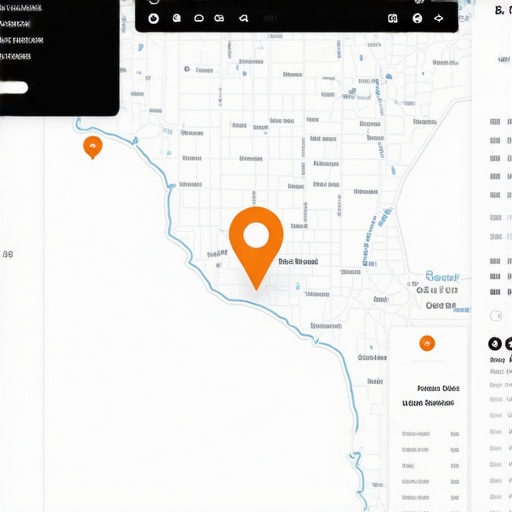
Geogrid tracking offers a granular approach to monitoring geographic-specific ranking fluctuations, enabling marketers to identify hot spots and areas requiring targeted optimization. By mapping out performance across a grid, businesses can allocate resources more efficiently, adjust their local SEO tactics dynamically, and stay ahead of competitors. This method, rooted in spatial analytics, enhances traditional keyword tracking by incorporating location-based variables, thus providing a more comprehensive view of local visibility.
Integrating GMB Software for Data-Driven Decisions
Cutting-edge GMB software integrates seamlessly with geogrid tools, offering real-time insights into listing performance, review management, and local engagement metrics. These platforms, such as those discussed in GMB Software Secrets, enable marketers to automate routine tasks and focus on strategic adjustments. Employing AI-driven analytics within these tools allows for predictive modeling of ranking trends, ensuring your local SEO strategies are proactive rather than reactive.
Strategic Deployment of Geogrid and GMB Insights
Effective local SEO in 2024 demands a layered approach: begin with comprehensive geogrid mapping to establish baseline performance, then integrate GMB insights to refine your tactics. For example, adjusting your Google My Business profile based on geogrid data can improve relevance and visibility within specific areas. Moreover, correlating review signals, post engagement, and local keyword performance with geographic data yields a powerful synergy, driving higher Google Maps rankings and increased foot traffic.
Can Geogrid Tracking Surpass Traditional Keyword Strategies in Local SEO?
This question is frequently debated among SEO professionals. While traditional keyword optimization remains vital, geogrid tracking introduces a spatial dimension that can uncover hidden opportunities and vulnerabilities in your local map rankings. It allows for targeted adjustments that are geographically precise, often resulting in faster and more sustainable ranking improvements.
To deepen your understanding, consult resources like Mastering Geogrid Tracking and engage with industry forums for shared insights. Your mastery of these tools will position you at the forefront of local SEO innovation.
For expert collaboration or tailored strategies, visit our Contact Page and join the community of forward-thinking local marketers shaping the future of Google Maps rankings.
Harnessing Location Intelligence for Enhanced Map Rankings
In the quest for local SEO supremacy, integrating geospatial analytics with Google My Business (GMB) insights allows marketers to pinpoint performance gaps and opportunities with unprecedented precision. Advanced tools now enable the visualization of ranking fluctuations across specific neighborhoods or streets, facilitating hyper-targeted optimization strategies. As highlighted by GMB Software Secrets, leveraging these combined data streams can significantly accelerate your climb to the top of local maps.
Are You Exploiting the Full Potential of Spatial Data?
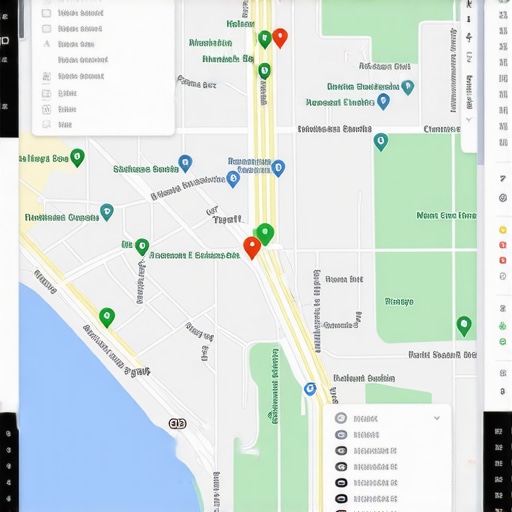
Many local businesses overlook the depth of insight offered by spatial tracking, which reveals how different zones within a service area respond to specific SEO tactics. By analyzing geogrid heatmaps alongside review and engagement metrics, businesses can identify underserved segments or areas experiencing a decline. This layered approach transforms generic local SEO efforts into dynamic, location-specific campaigns, fostering more sustainable rankings over time. For detailed guidance, visit Effective Geogrid Tracking Techniques.
Future-Proof Your Local SEO with Data-Driven Strategies
As Google continues to refine its local search algorithms, reliance on traditional keyword tactics alone becomes increasingly insufficient. Instead, integrating geogrid tracking with AI-powered GMB analytics offers a proactive approach to maintaining and improving rankings. These tools can forecast potential ranking shifts based on historical data, competitor activity, and seasonal trends, enabling businesses to act before changes occur. Industry experts emphasize that this predictive capability is the next frontier in local SEO mastery (source: GMB Software Secrets).
What Are the Practical Steps to Elevate Local Map Rankings with Advanced Tech?
Implementing an effective strategy involves a combination of thorough geogrid mapping, continuous tracking, and insightful analysis of GMB engagement metrics. Start by setting up detailed grids that cover your entire service area, then monitor fluctuations daily or weekly. Use these insights to optimize your Google My Business profile—updating descriptions, responding to reviews, and posting relevant content tailored to high-priority zones. For a comprehensive framework, explore Mastering Geogrid Tracking. Regularly reviewing these data points ensures your local SEO remains agile and aligned with evolving search patterns.
Engaging with community forums and industry groups can also provide fresh perspectives and innovative tactics. Share your experiences and learn from others who are pushing the boundaries of local map optimization. To take your strategy to the next level, consider reaching out for personalized assistance via our Contact Page.
Harnessing the Power of Predictive Analytics for Local SEO Triumph
In the relentless race for local visibility, the integration of predictive analytics into your SEO arsenal marks a pivotal shift from reactive to proactive strategies. By leveraging historical data, competitor movements, and seasonal trends, businesses can forecast potential fluctuations in rankings and adapt their tactics accordingly. This foresight allows for strategic content updates, review management, and profile optimization that preempt algorithm changes and user behavior shifts, significantly enhancing your chances of maintaining top positions on Google Maps.
Why Combining Geospatial Data with AI Elevates Your Local Search Game
Advanced geospatial analytics, when fused with artificial intelligence, unlocks a new dimension of local SEO. AI-driven models analyze vast datasets from geogrids, reviews, engagement metrics, and external factors like traffic patterns to identify latent opportunities and vulnerabilities. For example, machine learning algorithms can detect emerging hotspots or declining zones, guiding targeted campaigns that are precisely aligned with real-time geographic dynamics. This synergy not only streamlines resource allocation but also boosts the precision of local ranking adjustments.
What are the critical steps to implement AI-powered geospatial analysis effectively?
Start by establishing comprehensive geogrid maps that cover every potential service zone. Integrate your data feeds—review scores, post engagement, keyword performance—and feed them into machine learning models. Regularly update your datasets to reflect current conditions, and use AI insights to prioritize optimization efforts. For instance, if the model identifies a declining zone, focus on local content, reviews, and profile updates tailored to that area. Collaborate with data scientists or SEO experts experienced in geospatial AI to refine your models and validate predictions, ensuring your strategies stay ahead of the curve.
As industry leader BrightLocal emphasizes, the fusion of AI with location data is the future of local SEO, providing a competitive edge that static methods cannot match (source: BrightLocal Analysis).
Deep Dive Into Hyper-Localized Content Optimization for Map Rankings
While broad keyword strategies are still relevant, hyper-localized content tailored to specific neighborhoods or streets can dramatically influence your Google Maps rankings. Creating content that resonates with local communities—such as neighborhood events, local news, or area-specific testimonials—builds relevance and authority within targeted zones. Incorporating geospatial data to identify underserved areas allows you to craft campaigns that fill gaps in your coverage, elevating your visibility precisely where it matters most.
This approach involves not just content creation but also strategic internal linking, localized schema markup, and review solicitation tailored to each micro-area. The goal is to signal to Google that your business is an integral part of the local fabric, which can significantly improve your prominence in map results.
How to Measure the Impact of Your Geospatial and AI-Driven SEO Efforts
Tracking success requires a sophisticated approach beyond traditional rankings. Utilize dashboards that integrate geospatial heatmaps, review metrics, and engagement data to visualize your performance across zones. Key performance indicators include changes in map rankings within specific areas, review volume and sentiment, and foot traffic correlated with optimization efforts. Advanced tools like Google Data Studio, combined with geospatial analytics platforms, enable real-time monitoring and quick pivots to your strategy.
Moreover, conducting periodic audits that compare pre- and post-implementation data provides insights into what tactics yield the best ROI. Remember, the goal is continuous improvement—using data not only to celebrate wins but also to identify areas needing further attention.
Get Ready for the Next Leap in Local Search Dominance
As Google’s algorithms grow more sophisticated, the future of local SEO hinges on your ability to harness complex data and predictive insights. Embracing AI-powered geospatial analysis, hyper-local content, and proactive monitoring will distinguish market leaders from laggards. If you’re ready to elevate your local map rankings through cutting-edge techniques, now is the time to invest in these advanced tools and expert partnerships.
Interested in exploring tailored strategies that leverage these technologies? Contact our team of local SEO specialists and take the first step toward dominating your geographic market in 2024 and beyond.
Revolutionize Local Rankings with Cutting-Edge Spatial Data Integration
In today’s hyper-competitive local search landscape, merely optimizing keywords or maintaining a GMB profile no longer suffices. The real game-changer lies in harnessing advanced geospatial AI to interpret complex spatial patterns and predict ranking shifts before they happen. By integrating high-resolution geodata with machine learning models, businesses can pinpoint emerging hotspots and identify declining zones, enabling hyper-targeted strategies that outperform traditional methods.
How Does AI Elevate Your Geogrid Strategy to Future-Proof Your Efforts?
Artificial intelligence transforms raw geospatial data into actionable insights by analyzing historical performance, competitor movements, and seasonal fluctuations. This dynamic approach allows marketers to adapt their tactics proactively—whether that means adjusting local content, refining review solicitation efforts, or optimizing Google My Business attributes in specific areas. Such predictive analytics not only safeguard rankings but also open avenues for aggressive expansion into underserved micro-markets.
What Are the Critical Implementation Steps for Geospatial AI in Local SEO?
Begin by constructing comprehensive geogrids that encompass every relevant micro-area within your service zones. Feed real-time data streams—reviews, engagement metrics, keyword rankings—into machine learning algorithms capable of detecting subtle patterns. Regularly update these datasets to capture seasonal and behavioral shifts, then leverage AI-generated forecasts to prioritize resource allocation. Collaborating with data scientists or specialized SEO firms ensures your models remain accurate and aligned with evolving search engine algorithms. For detailed methodologies, consult industry-leading resources like BrightLocal’s AI and Geospatial Insights.

Why Hyper-Localized Content Outperforms Generic Campaigns in Map Rankings
Creating micro-area-specific content—such as neighborhood success stories, local event coverage, or street-level testimonials—significantly boosts local relevance signals to Google. When combined with geospatial data that reveals underserved zones, this strategy allows businesses to craft tailored messaging that resonates deeply with community members, thereby elevating their prominence in map listings. Incorporating localized schema markup and review solicitations further consolidates your authority within these micro-markets.
Can Predictive Geospatial Models Outpace Manual Optimization?
This is a pivotal question among seasoned SEO practitioners. While manual optimization remains essential, predictive models offer a scalable and precise approach to navigating the complex web of local rankings. By anticipating shifts—such as competitor moves or algorithm updates—businesses can implement preemptive adjustments, maintaining a competitive edge and ensuring consistent visibility.
For authoritative guidance, explore Mastering Geogrid Tracking for Google Maps and consider engaging with data analytics experts to tailor AI solutions to your unique market landscape. Your proactive stance today sets the foundation for sustained dominance tomorrow.
Elevate Your Local SEO with Real-Time Geospatial Monitoring
Implementing continuous monitoring systems that visualize ranking fluctuations across micro-areas enables instant identification of emerging opportunities or critical declines. Advanced dashboards integrating heatmaps, review sentiment analysis, and engagement metrics provide a holistic view of your local map performance. This real-time intelligence facilitates swift strategic pivots—such as targeted review campaigns, localized content updates, or profile optimizations—maximizing your competitive advantage.
Prepare for the Next Wave of Local Search Innovation
As Google refines its algorithms to prioritize relevance and user intent, integrating AI-powered geospatial analysis will become indispensable. Forward-looking businesses investing in these technologies today will not only sustain their current rankings but also unlock new growth avenues by exploring previously untapped neighborhoods and micro-markets. Embrace this paradigm shift to stay ahead of the curve and lead your industry in local search excellence.
Expert Insights for Next-Level Local SEO
Harness Data-Driven Precision
Leveraging geogrid tracking combined with AI-enhanced GMB analytics empowers marketers to anticipate ranking shifts and customize strategies at micro-location levels, resulting in sustained visibility and competitive advantage.
Prioritize Hyper-Localization
Develop hyper-local content that addresses neighborhood-specific interests, events, and testimonials. This approach amplifies relevance signals, making your listing a vital part of the local community fabric and boosting map rankings.
Integrate Predictive Analytics
Use predictive models to identify emerging hotspots and declining zones within your service area. Early interventions, such as targeted review campaigns and localized updates, can dramatically improve your ranking trajectory.
Utilize Real-Time Monitoring
Implement dashboards that visualize ranking fluctuations and engagement metrics across zones, enabling swift tactical adjustments and capitalizing on new opportunities as they arise.
Collaborate with Data Experts
Partner with geospatial and AI specialists to refine your models, ensuring your local SEO efforts are grounded in robust, actionable insights that outperform manual tactics.
Curated Resources for Deep Expertise
- BrightLocal’s AI and Geospatial Analysis Guides: Cutting-edge insights into integrating AI with location data for local SEO mastery.
- Mastering Geogrid Tracking: Comprehensive methodologies for constructing effective geogrids and interpreting their data for top Google Maps rankings.
- Industry Forums and Case Studies: Peer-shared strategies and success stories demonstrating real-world applications of advanced geospatial tactics.
Final Reflection: Elevate Your Local SEO Strategy
In an era where local search algorithms prioritize relevance, integrating geospatial intelligence with advanced GMB strategies is no longer optional but essential. These expert-level insights and resources will position you at the forefront of local SEO innovation. For those committed to excellence, engaging with specialized professionals and continuously refining your data approach ensures your business not only maintains but accelerates its local map dominance in 2024 and beyond. Reach out to our team and start transforming your local visibility today.


Linda Moore
This article really highlights how crucial geogrid tracking and advanced GMB analytics are becoming in the 2024 local SEO landscape. From my experience managing local listings, integrating spatial data with AI insights has allowed us to identify underserved neighborhoods and tailor our content to those areas effectively. It’s fascinating to see how heatmaps and real-time monitoring tools can provide such actionable intelligence. However, I wonder, how do small businesses with limited resources start implementing these sophisticated analytics without overwhelming their teams? Are there scalable, cost-effective tools or approaches that still deliver meaningful results? I believe embracing these innovative strategies is vital, but practical guidance on entry points would be immensely helpful for many small to mid-sized businesses trying to keep pace with larger competitors.
James Anderson
Reading through this insightful article, I truly appreciate the emphasis on integrating geospatial data with AI-powered tools to boost local SEO, especially for 2024 strategies. From my experience managing multiple small businesses, I’ve found that starting with basic heatmap analysis and review management can lay a solid foundation without heavy initial investment. It’s about gradual integration—using free or low-cost tools to gather spatial data, then slowly layering in more advanced analytics as the team becomes comfortable. One challenge I see is maintaining ongoing data accuracy, especially in dynamic urban environments where rankings can fluctuate rapidly.
I’m curious, what are some practical, affordable tools or platforms you’ve seen work well for small to mid-sized enterprises seeking to adopt geogrid tracking and local AI insights without overwhelming their teams? Also, how do you recommend prioritizing areas for initial focus—should it be highest traffic zones, or those with the most ranking potential? Would love to hear from others on what’s worked effectively in real-world scenarios.
Johnathan Mitchell
This post really emphasizes the importance of integrating geospatial analytics within local SEO strategies for 2024. From my experience, leveraging tools like heatmaps and real-time ranking dashboards can truly transform how small businesses approach local optimization. I’ve seen firsthand how prioritizing underserved zones through geogrid data can lead to rapid improvements in map visibility and foot traffic. That said, for small teams with limited resources, I always recommend starting with affordable solutions—like Google My Business insights combined with basic geospatial data—and then gradually layering in more advanced AI tools as the business scales. The key is to build a flexible, data-driven approach without overwhelming the team.
Regarding prioritization, I think focusing on high-traffic areas initially makes sense, but don’t overlook micro-zones that might have less volume but higher conversion potential. Has anyone found effective strategies for small businesses to balance micro-targeting with broader coverage? I’d love to hear successful approaches or tools that others have implemented to make this process more manageable.
Evelyn Carter
This article really resonates with my recent experiences in local SEO. I’ve been experimenting with geogrid tracking combined with AI insights to fine-tune our Google My Business optimizations. It’s clear that leveraging spatial data not only helps in identifying underserved zones but also allows us to craft highly localized content, which seems to be the key for 2024. One thing I’ve noticed is that small businesses tend to hesitate when it comes to adopting these advanced tools, often fearing complexity or costs. In my opinion, starting with basic GMB insights and gradually integrating free geospatial analytics can be a game changer. What are some budget-friendly, beginner-friendly tools or platforms you’d recommend for those just getting started? Also, how do you prioritize initial focus areas—should it be by traffic volume or ranking potential? Would love to hear input from others who’ve navigated this transition.