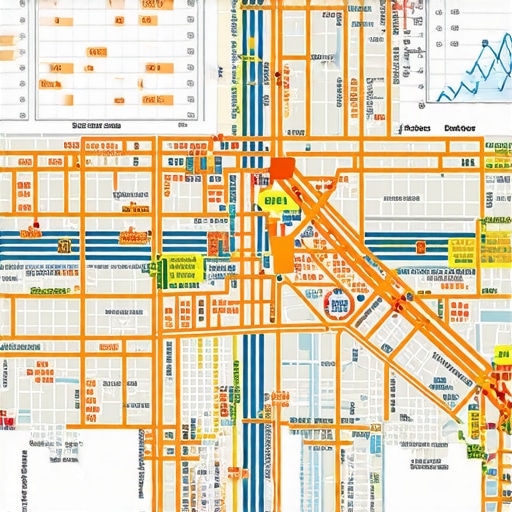
Harnessing GeoGrid Tracking for Unmatched Google Maps Visibility
In the fiercely competitive landscape of local SEO, geo-targeted strategies have transitioned from optional to essential. GeoGrid tracking, a sophisticated technique leveraging spatial data analytics, enables businesses to refine their Google Maps rankings with unprecedented precision. By integrating advanced GMB software solutions, marketers can analyze granular location data, identify ranking fluctuations, and implement data-driven adjustments to outperform competitors.
Deciphering the Complexities of Local Map Optimization
Effective local map optimization hinges on understanding the dynamic interplay between physical location signals and digital footprint management. GeoGrid tracking facilitates this by mapping out a grid of geospatial data points, revealing subtle variations in ranking performance across different neighborhoods or regions. This approach allows for targeted interventions—such as optimizing local citations, managing reviews, and adjusting service area settings—that align with specific geo-locations, thereby enhancing visibility and authority.
How does GeoGrid Tracking Amplify Your Local SEO Efforts?
GeoGrid tracking acts as a diagnostic and strategic tool, providing insights into how Google perceives your business in various locales. For instance, by analyzing heatmaps of ranking fluctuations, you can identify zones requiring more localized content or review management efforts. Moreover, integrating this technology with cutting-edge GMB software enables automation of rank monitoring, quick detection of ranking drops, and strategic deployment of geo-specific SEO tactics. This synergy fosters a feedback loop that continuously refines your local presence, ensuring sustained prominence in Google Maps results.
What are the latest advancements in GMB software that optimize geo-tracking data for maximum impact?
Recent innovations include AI-powered analytics platforms that automate rank fluctuation detection and provide actionable insights. For example, tools like GMB software innovations now incorporate machine learning algorithms to predict ranking trends based on historical data and external factors such as local competition or algorithm updates. These advancements enable marketers to proactively adjust their geo-strategies, making geoGrid tracking an indispensable element of modern local SEO campaigns.
If you’re eager to push your local rankings further, exploring comprehensive strategies with expert-level tools and insights is crucial. Consider consulting specialized resources or engaging with industry professionals to stay ahead in this rapidly evolving field. To learn more about leveraging advanced GMB software for local dominance, visit Enhance Your Local SEO with Cutting-Edge GeoGrid Tracking Tools.
While foundational geo-tracking techniques have transformed local SEO, cutting-edge advancements are now unlocking new levels of precision and insight. Modern geoGrid tracking extends beyond simple heatmaps, leveraging AI-driven analytics, real-time geo-fencing, and machine learning algorithms to anticipate ranking shifts before they happen. These innovations allow marketers to implement proactive adjustments, ensuring their business remains at the top of Google Maps results even amid fierce competition.
Why Conventional Methods Fall Short in 2024
Many local businesses still rely on outdated geo-tracking tactics, such as periodic rank checks or broad location targeting, which no longer suffice. The digital landscape demands a granular, dynamic approach that adapts to algorithm changes, local competition, and customer behavior patterns. As GMB software innovations demonstrate, integrating real-time data streams with machine learning provides a strategic advantage that static methods can’t match.
Are Your Geo-Strategies Future-Ready or Falling Behind?
With the rapid evolution of geo-targeting technology, the question isn’t just about current effectiveness but about adaptability. Are your tools and tactics prepared to handle the upcoming shifts in Google’s local search algorithms? Staying ahead requires embracing AI-powered solutions, such as those offered in maps rank optimization strategies, which continuously analyze and optimize your geo-presence based on predictive analytics.
To truly leverage these innovations, consider consulting with experts or adopting platforms that specialize in advanced geo-tracking analytics. Sharing insights and experiences within industry communities can also uncover new tactics and tools that keep your local SEO efforts resilient and forward-thinking.
For an in-depth exploration of these techniques and how they can be tailored to your business, visit Enhance Your Local SEO with Cutting-Edge GeoGrid Tracking Tools.
Harnessing Real-Time Geo-Fencing to Pinpoint Local Opportunities
One of the most transformative recent advances in geoGrid tracking involves the integration of real-time geo-fencing technology. Unlike traditional methods that analyze static data points, geo-fencing creates virtual boundaries around specific geographic zones, enabling businesses to monitor and engage with potential customers precisely when they enter or exit these zones. This capability allows for hyper-targeted marketing strategies, such as push notifications, limited-time offers, or customized content delivered exactly when a user is most receptive, dramatically increasing conversion rates.
For instance, a retail chain can set up geo-fences around competitor locations, proactively engaging customers with compelling offers as they browse nearby shops. This tactical approach not only amplifies visibility but also fortifies local dominance by capturing customer attention at critical decision-making moments, effectively turning passive foot traffic into active engagement.
How does AI-enhanced geospatial analytics redefine competitive advantage?
AI-driven geospatial analytics synthesize vast streams of real-time data, including movement patterns, demographic shifts, and external factors like local events or weather conditions. According to a recent report by GeoSpatial Analytics Institute, businesses leveraging AI analytics experience a 35% higher accuracy in predicting ranking shifts and customer behavior, enabling preemptive adjustments to their geo-strategies. This proactive approach minimizes wasted ad spend and maximizes ROI, making AI-enhanced geo-tracking an essential component of modern local SEO.
Incorporate these insights into your strategy by deploying advanced platforms such as GeoAI Tracker or LocaSense, which harness machine learning to forecast geo-performance trends with remarkable precision. Staying ahead in local SEO is no longer about reactive tactics but about harnessing predictive analytics that anticipate market shifts before they happen, creating a formidable competitive edge.
Mastering Geo-Content Personalization for Higher Engagement
Beyond surveillance and predictive analytics, personalization stands as a cornerstone of effective geoGrid application. Tailoring content based on specific geospatial insights transforms passive information into active engagement. For example, dynamically adjusting website content, local offers, or service suggestions based on the visitor’s exact location creates a seamless, relevant experience that resonates more deeply with local audiences.
Implementing this level of personalization involves integrating your geo-tracking data with your content management systems, allowing for real-time adjustments that reflect local language nuances, cultural references, or regional preferences. This strategy not only boosts user engagement but also signals to Google that your business is highly relevant within targeted zones, supporting improved rankings.

Effective geo-content personalization requires sophisticated tools capable of analyzing geospatial data at granular levels. Platforms like PersonalizedGeo leverage AI to deliver content tailored to individual user locations, significantly enhancing local relevance and customer loyalty. As Google continues to refine its local ranking algorithms, businesses that excel in geo-personalization position themselves as authoritative and trustworthy within their communities, gaining a formidable edge in local search results.
Are Your Data Integration Strategies Future-Ready?
With the rapid evolution of geo-tracking technology, integrating multiple data sources — from social media check-ins to IoT device signals — becomes crucial. The challenge lies in creating a coherent data ecosystem that synthesizes diverse inputs into actionable insights. This integration not only enriches your understanding of local dynamics but also improves the accuracy of your geo-targeted campaigns.
Leading platforms such as IntegrateGPSData specialize in aggregating and harmonizing these streams, facilitating a holistic view of your local environment. Embracing such comprehensive data integration ensures your geo-strategies remain resilient against algorithm changes and market fluctuations, safeguarding your local SEO investments in an uncertain digital landscape.
For those committed to maintaining a competitive edge, the question remains: Are your current geo-tracking and data integration tactics prepared to adapt to the next wave of technological innovations? Continuous learning and adopting cutting-edge tools will be essential to sustain and grow your local visibility in an increasingly complex ecosystem. To dive deeper into these advanced strategies, consult with industry leaders or explore platforms like Advanced GeoData Solutions for bespoke insights and implementation support.
Harnessing Hyper-Localized Data for Strategic Edge
In the realm of local SEO, leveraging hyper-localized data through sophisticated GeoGrid tracking can revolutionize your visibility. By integrating high-resolution geospatial analytics, businesses can identify nuanced ranking patterns across micro-neighborhoods, enabling hyper-targeted citation building, review management, and content customization—cornerstones for establishing dominant local authority in competitive markets.
What Role Does Multi-Layered Data Synthesis Play in Precision Targeting?
Combining diverse data streams—from IoT signals, social check-ins, to real-time foot traffic—creates a complex, multi-layered geospatial intelligence network. This synthesis allows for predictive modeling of consumer behavior and ranking fluctuations, empowering marketers to preempt algorithm shifts and local trends. Such comprehensive data ecosystems are the backbone of resilient, forward-looking local SEO strategies, as emphasized by industry leaders at GeoSpatial Analytics Institute.
How can AI-driven geospatial insights redefine competitive positioning?
AI-powered geo-analytics platforms like GeoAI Tracker synthesize real-time movement, demographic, and environmental data to forecast ranking shifts with unprecedented accuracy. This enables businesses to implement preemptive local SEO measures—adjusting content, optimizing GMB profiles, or deploying targeted ad campaigns—before their competitors even react. Harnessing such predictive analytics fosters an anticipatory, agile SEO approach that guarantees sustained local prominence.

Embracing Context-Aware Content for Amplified Engagement
Beyond mere geospatial surveillance, context-aware content personalization transforms passive data into active engagement. Dynamic website and ad content, tailored to real-time location insights, can significantly boost user interaction and conversion. This involves sophisticated integrations between geo-tracking platforms and content management systems, enabling the delivery of culturally relevant, linguistically precise, and regionally specific messaging that resonates with local audiences.
Platforms like PersonalizedGeo utilize AI algorithms to automate this personalization, leading to higher engagement rates and improved local search rankings. As Google’s algorithms increasingly prioritize relevance and user experience, mastering geo-content personalization becomes essential for local SEO excellence.
Is Your Data Ecosystem Ready for Next-Gen Geo-Insights?
The future of geo-targeted SEO hinges on seamless data integration across multiple sources—social media, IoT devices, customer check-ins, and environmental sensors. Creating a unified, real-time data ecosystem enables more accurate modeling of local dynamics, reducing guesswork and enhancing strategic agility. Tools such as IntegrateGPSData facilitate this comprehensive data synthesis, ensuring your geo-strategies remain adaptable amidst rapid technological evolution.
Are your current tools equipped to handle the influx of multi-dimensional geospatial data? Investing in advanced analytics platforms and fostering industry collaborations can secure your position at the forefront of local SEO innovation, ensuring your brand stays resilient in a competitive digital landscape.
Elevate Your Local SEO Tactics with Precision GeoGrid Tracking
For seasoned marketers and local business owners, mastering geo-targeting with sophisticated GeoGrid techniques offers a strategic advantage that can redefine your Google Maps visibility. Utilizing cutting-edge analytics platforms, such as those integrating AI-driven insights, allows for hyper-precise adjustments that keep you ahead of competitors.
Harness Real-Time Data to Anticipate Rankings Fluctuations
Leverage real-time geospatial data streams to monitor shifts in your local rankings proactively. By analyzing movement patterns, demographic changes, and external influences, you can implement preemptive optimization strategies, ensuring your business remains prominent in key neighborhoods.
Deepen Audience Engagement with Geo-Personalized Content
Integrate geospatial insights into your content management system to deliver highly relevant, location-specific offers and messaging. This personalized approach fosters greater engagement, enhances user experience, and signals to Google your local authority and relevance.
Utilize Hyper-Localized Data for Micro-Market Domination
Focus on micro-neighborhoods and specific blocks within your service area to build authoritative citations and reviews. This granular targeting, made possible through high-resolution GeoGrid analytics, cements your presence in highly competitive local markets.
Stay Ahead with Continuous Data Ecosystem Integration
Combine social media check-ins, IoT signals, and environmental data to create a cohesive, dynamic view of your local landscape. This multi-layered approach enhances your ability to adapt swiftly to market changes and algorithm updates, safeguarding your rankings.
![How to Fix Your Map Rank When AI Overviews Hide the 3-Pack [2026]](https://geogridranker.com/wp-content/uploads/2026/04/How-to-Fix-Your-Map-Rank-When-AI-Overviews-Hide-the-3-Pack-2026-1.jpeg)
![How to Fix Your Map Rank When AI Overviews Hide the 3-Pack [2026]](https://geogridranker.com/wp-content/uploads/2026/04/How-to-Fix-Your-Map-Rank-When-AI-Overviews-Hide-the-3-Pack-2026.jpeg)